
Modifying a load-bearing wall requires careful planning and strict adherence to building regulations to maintain your home’s structural integrity and safety. Identifying potential issues early, such as inadequate propping or improper RSJ installation, becomes crucial for preventing costly mistakes and potential safety hazards.
Key Takeaways
- Secure a Detailed Structural Design: Always require a detailed structural design from a qualified Chartered Structural Engineer that meets Approved Document A (Structure) standards under the Building Regulations 2010.
- Verify Propping Methods: Understand the propping method used during wall removal to ensure adequate support and prevent shifts or collapses—inquire about the specifics of supporting the wall above the removal point.
- Confirm RSJ Installation and Padstones: Ensure the RSJ is precisely sized and installed, including confirmation that padstones at the ends correctly distribute the load, matching the engineer’s specifications.
- Obtain Building Control Sign-Off: Proactively ask about the process for obtaining Building Control approval and a Completion Certificate, essential for legal compliance and property value.
- Check Fire Safety Compliance: Verify the builder’s plan for fire protection of the steel beam, including fire-rated plasterboard encasement or intumescent paint, to adhere to Approved Document B.
By using these engineering-led questions and points of verification, you can help ensure that your load-bearing wall alteration is carried out safely and in full compliance with legal and structural standards.
Why Your Builder Needs Professional Sign-Off Before Touching That Wall
I always stress the importance of professional oversight when altering a load-bearing wall. These walls transfer vertical loads from floors, roof, or other walls down to foundations. Removing one without a solid replacement risks the whole structure’s stability and integrity.
Authorities demand this. The Building Regulations 2010 require approval for material alterations like this, as noted in Approved Document A (Structure). Failure to comply makes the work illegal and uninsured. Most home insurance policies invalidate coverage if unapproved structural changes occur. Lack of a Completion Certificate from Building Control complicates sales and lowers property value.
A qualified UK Chartered Structural Engineer, such as one holding MIStructE or IEng certification, must provide a detailed design. Builders shouldn’t start without that and full Building Control approval. Rushing ahead invites disaster, from structural collapse to legal troubles.
Checklist of Engineering-Led Questions on Sign-Off
Spot cowboy practices by asking these questions before work begins. They focus on propping, RSJ installation, padstones, and sign-off. Insist on written answers backed by engineering details.
- Can you show me your detailed structural design from a Chartered Structural Engineer? Confirm it meets Approved Document A (Structure) standards under the Building Regulations 2010.
- Will the structural engineer oversee the job from start to finish, or just provide the design?
- How quickly will Building Control approve the plans? I need confirmation before you touch anything.
- For propping, what method holds up the weight during removal? How do you prevent any shift in the wall just above?
- When installing the RSJ, who measures and fits it? Prove it’s sized correctly for the load, including padstones at ends.
- Describe the padstones: material, size, and foundation depth. Do they match the engineer’s specs for proper load distribution?
- At sign-off, how do you get Building Control to inspect and issue the Completion Certificate?
- Who from the engineering team conducts the final sign-off, and what checks verify structural integrity?
Questions About Structural Calculations and Engineer Involvement
Checklist for Spotting Unsafe Practices in Propping, RSJ Installation, Padstones, and Sign-Off
I rely on a qualified Chartered Structural Engineer to oversee critical aspects of load-bearing wall work. Builders who skip this step often cut costs, putting the entire structure at risk of collapse. A proper checklist helps homeowners identify “cowboy” practices early. Spot red flags by asking targeted questions about propping support, RSJ fitting, padstone use, and final approvals. Focus on these engineering-led questions to ensure safety and compliance. Look for vague answers or attempts to downplay engineering needs—these signal trouble.
- Ask: Has a qualified Chartered Structural Engineer provided detailed structural calculations and design drawings? Engineers use codes like Eurocodes BS EN 1990 to BS EN 1999 to size beams correctly. Cowboys might claim they can “eyeball” it or rely on old rules, which can lead to oversized or undersized beams causing deflection, sagging floors, plaster cracks, or worse.
- Ask: Will the engineer provide final sign-off upon completion? This formal approval confirms the work meets standards. Insist on it before paying or covering anything up. Without it, homeowners shoulder the risk of point load failures or foundation overloads.
- Ask: What size and specification of steel beam has the engineer specified (section size, steel grade such as S275 or S355)? Names like RSJ, Universal Beam, or Universal Column matter. Cowboys might substitute cheaper, weaker options, ignoring vertical, distributed, or point loads from floors and roofs above.
- Ask: Have the engineer’s calculations accounted for all vertical loads, distributed loads, and point loads from floors and roof above? These determine how weight transfers through the structure. Skipping this can cause localised crushing or excessive settling. Fees for this detailed analysis typically range from £500 to £1,500 for standard homes, rising for complex setups.
- Ask: How will the builder prop the structure during RSJ installation? Proper shoring prevents movement that cracks walls or floors. Beware of makeshift props—they indicate inexperience and invite structural failures.
- Ask: What preparation involves the padstones under the new beam? Padstones must distribute the beam’s point loads to avoid masonry crushing. Builders who rush or use thin pads demonstrate poor planning.
- Ask: Who handles the sign-off process at each stage? Ensure an engineer inspects before, during, and after. Cowboys push through without checks, leaving owners vulnerable.
- Ask: Can I see evidence of the engineer’s qualifications and past projects? Verifying credentials helps you dodge unqualified advice that risks building collapses.
- Ask: How does the builder coordinate with the engineer for site visits? Regular oversight catches issues early. Builders who avoid this are often trying to hide sloppy work.
- Ask: What contingency plans exist if calculations reveal unforeseen loads? Flexibility is crucial for unique building features. Rigid cowboys ignore potential pitfalls, risking costly mistakes.
Taking this checklist seriously can expose risky shortcuts and protect your property from long-term damage. Always involve a qualified structural engineer and insist on full transparency from your builder throughout the process.
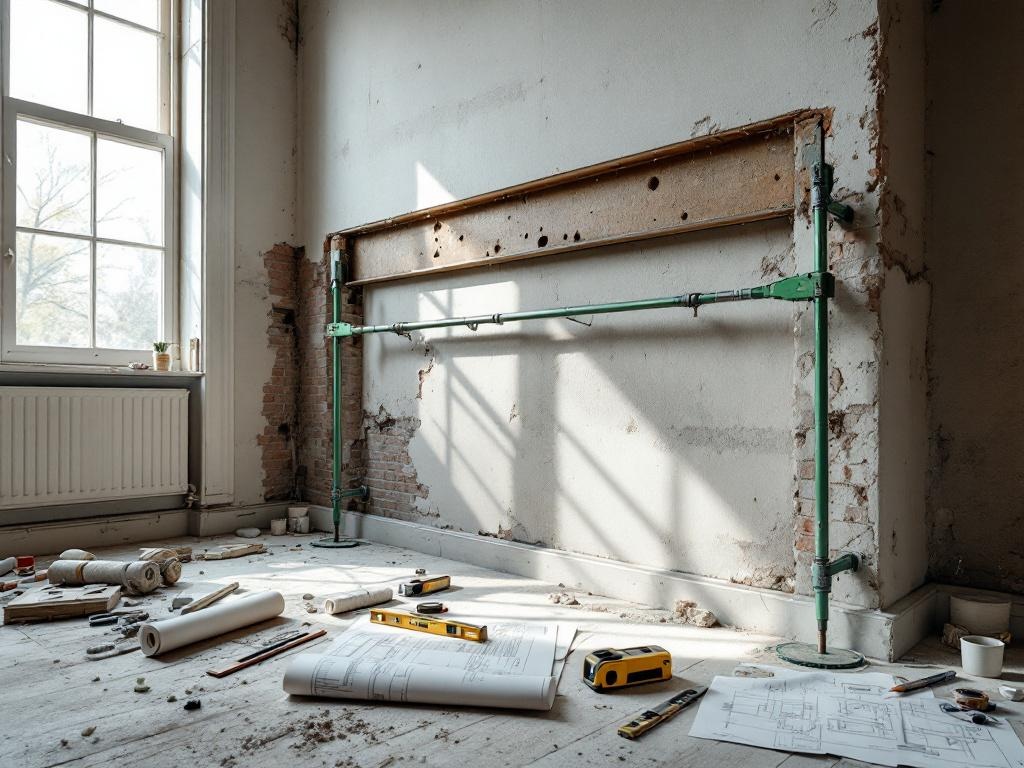
Questions About Temporary Propping and Site Safety During Demolition
I focus on temporary propping to prevent structural collapse during the demolition phase. A flawed propping scheme significantly increases risks. Review these engineering-led questions to identify cowboy practices early and ensure your homebuilder handles propping correctly before they begin work.
Key Questions to Ask About Propping and Safety
Evaluate your builder’s approach with this checklist. Demand specific details that show proper planning and approval from a structural engineer.
- Ask: What temporary propping scheme will you use, and has a structural engineer designed or approved it?
- Ask: How many Acrow Props will you install, and at what spacing?
- Ask: Will you use Strongboys and timber needles to support the masonry above during RSJ installation?
- Ask: What sequence of work will you follow to keep the structure stable throughout demolition and beam installation?
- Ask: Have you identified all services like electrical cabling, plumbing, or gas pipes within the wall before demolition?
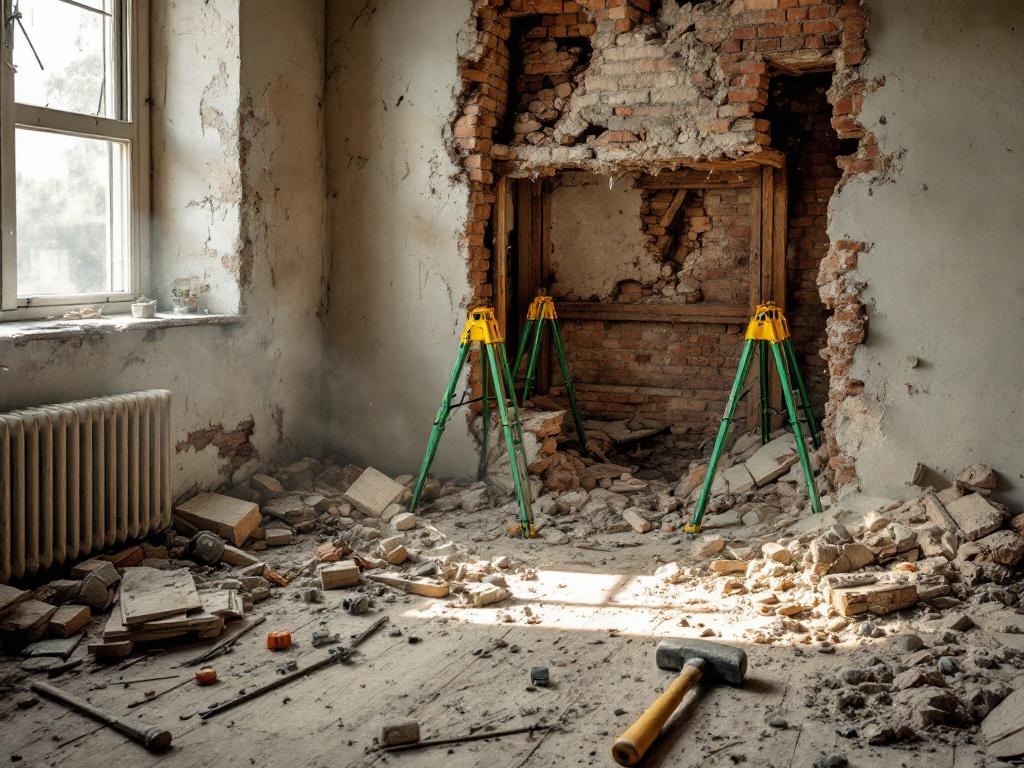
Questions About Steel Beam Installation, Padstones, and Load Transfer
I always tell homeowners to ask pointed questions before any builder touches a load-bearing wall. This checklist helps you spot cowboy practices early, focusing on propping, RSJ setup, padstones, and sign-off. Poor work here leads to point load failure, crushing, and settlement—disasters you don’t want.
Engineered Questions to Spot Issues
Ask these to ensure sound load transfer:
- What temporary propping plan will you use during RSJ installation to support loads safely?
- How will you ensure the beam aligns with the structural grid for even load distribution?
- What specification of padstones will be used, such as C25/30 concrete or steel bearing plates, and how does it match the beam’s S275 or S355 steel properties?
- What is the minimum bearing length required at each end of the beam, and how will you achieve it?
- How will you position and level the RSJ to guarantee proper load transfer without misalignment?
- Will the beam ends have adequate bearing area on the padstones to prevent point load crushing?
- What connection details ensure secure RST joints without compromising load-carrying capacity?
- How will you verify installation through structural calculations or sign-off from a qualified engineer?
Insist on documentation for every answer. Review it yourself or with a pro to avoid cowboy shortcuts that cost dearly in repairs later.
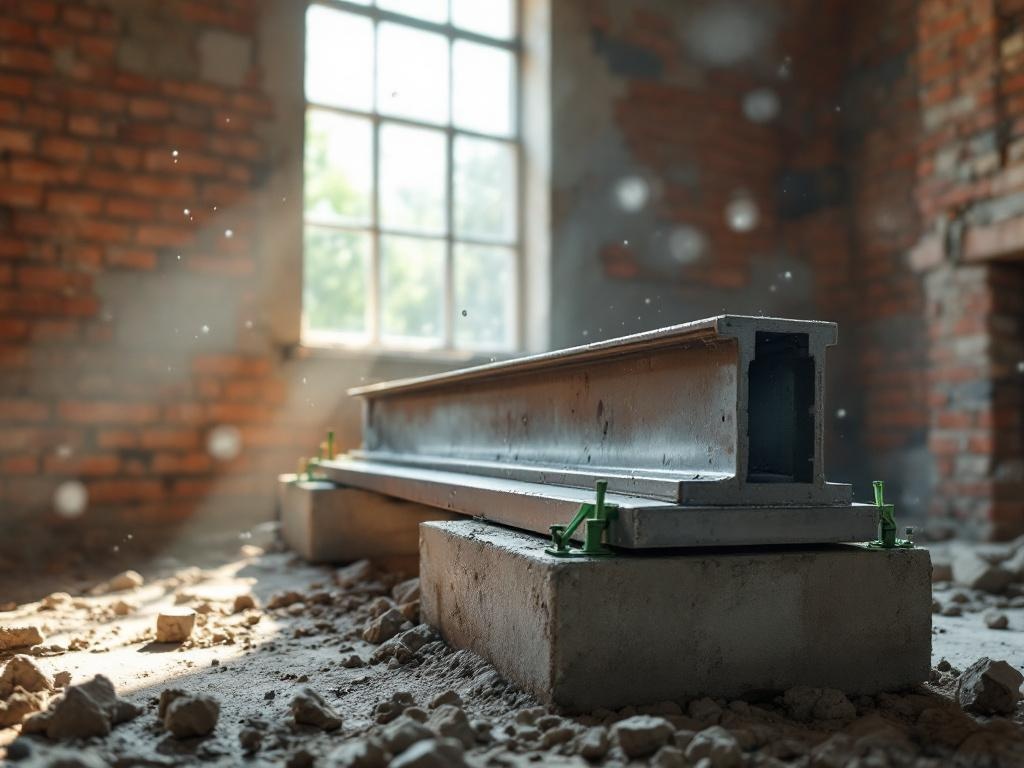
Questions About Fire Protection and Building Regulations Compliance
Builders handle structural changes like removing load-bearing walls, so I ensure they address fire safety right from the start. Steel beams support these changes, yet they pose risks without proper protection against fire. I compel homeowners to verify builders comply with Approved Document B of the Building Regulations 2010. This document mandates fire-resistant treatments to keep the structure safe during a blaze. Cheap shortcuts here leave your home vulnerable to collapse and invite hefty fines from local authorities.
Asking the right questions exposes unreliable practices before beams go up. I focus on methods like fire-rated plasterboard encasement or intumescent paint, as these provide lasting protection. Neglecting this invites enforcement notices that force costly fixes. Always insist on Building Control approval beforehand.
Key Questions on Fire Protection
I prepare a checklist to quiz your builder early. This spots cowboy tactics that skip safety for speed. Budget extra for materials like 12.5mm fire-rated plasterboard, plaster, and insulation—expect £150 to £300. Fees for Building Control run £200 to £400, varying by council and job size.
Here are the engineering-led questions that demand clarity:
- How will you fire-protect the steel beam, using approved methods like encasement with fire-rated plasterboard or intumescent paint?
- What fire resistance period does Building Control require, such as 30 or 60 minutes, based on your home’s needs?
- When will inspections happen, particularly before concealing the steelwork and at completion?
- Will you deliver the Building Control Completion Certificate once the final check passes?
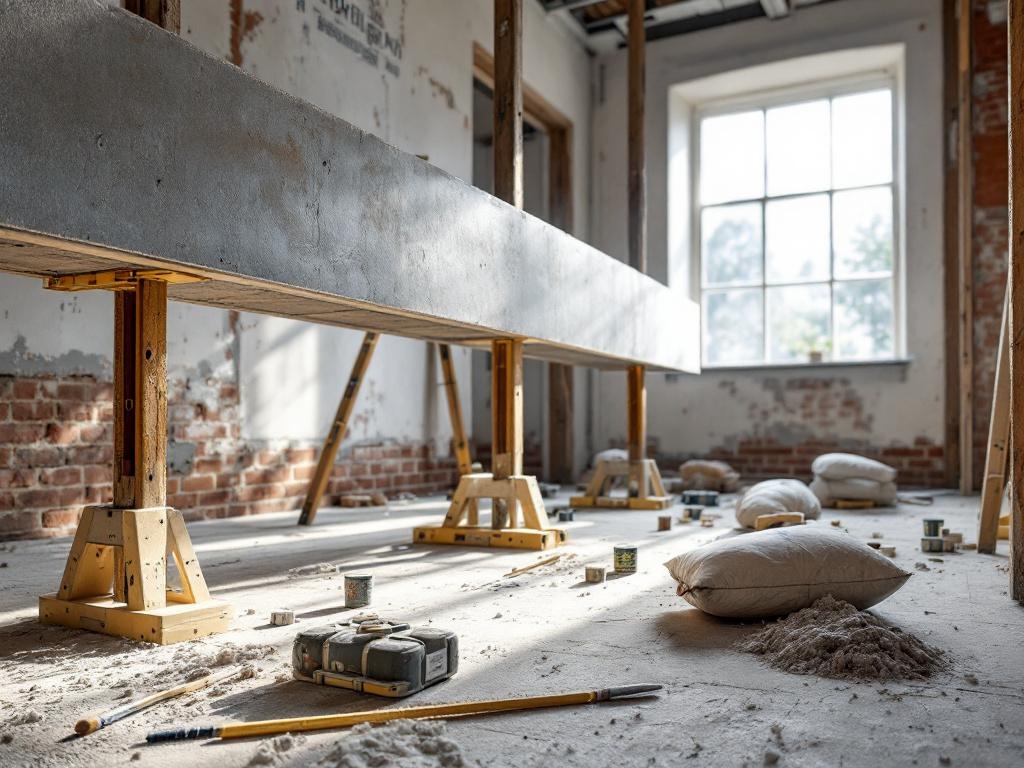
Questions About Party Walls, Costs, and Project Timeline
Party walls often create legal headaches if builders overlook them. I suggest asking up front to avoid costly surprises later. A cowboy builder might downplay this, leading to injunctions that halt your project and rack up fees from surveyors and courts.
I recommend questioning if the wall qualifies as a Party Wall under the Party Wall etc. Act 1996. Push for details on whether they’ve served a Party Wall Notice to neighbors. Without it, you risk an Award failing, and work can stop cold. Surveyor fees run from £750 to £2,000 per neighbor, and both sides might need representation if talks break down.
Engineering-Led Questions for Spotting Cowboy Practices
I compiled this checklist of targeted questions to assess a builder’s engineering know-how before they start propping. These focus on propping, RSJ installation, padstones, and sign-off, helping you identify shortcuts that could compromise structural integrity or blow your budget.
- How do you ensure safe propping during demolition, using items like Acrow Props or Strongboys? Insist on details about timber needles and checks for stability to prevent collapses.
- What steps do you take for RSJ installation and securing padstones under the beam ends? Look for references to precise leveling and load distribution, avoiding weak spots that might shift over time.
- Does your process include fire protection on the steelwork and full making-good of plasterwork after installation? Cowboys often skim on fire safety or finish quality, so probe for these essentials.
- Who handles Building Control sign-off, and what timeline do you propose from engineering approval to completion? Gauge if they account for inspections and delays, pushing for a detailed schedule to catch unrealistic promises.
Next, demand a full cost breakdown. Cowboys dodge this by quoting low and adding extras later. I push builders to itemize professional fees, labour, materials, and VAT, as UK costs always include 20% VAT.
Labour typically costs £2,000 to £5,000 for a standard opening, fluctuating based on wall type, height, and access. Include waste removal at £250 to £450 for a 6-8 yard skip. Total project costs for removing a 3–4 metre load-bearing wall vary wildly with complexity, but expect variations in billable hours.
Finally, quiz them on the overall timeline. From structural engineer appointment to sign-off, a realistic schedule ensures progress without unnecessary standoffs. I watch for vague answers here, as they signal inexperience or cutting corners.
Sources:
The Building Regulations 2010 (Approved Document A: Structure)
The Building Regulations 2010 (Approved Document B: Fire Safety)
The Party Wall etc. Act 1996
Institution of Structural Engineers (IStructE) publications and guidance
British Standards Institution (BSI) Eurocode suite (BS EN 1990 to BS EN 1999)
Leave a Reply