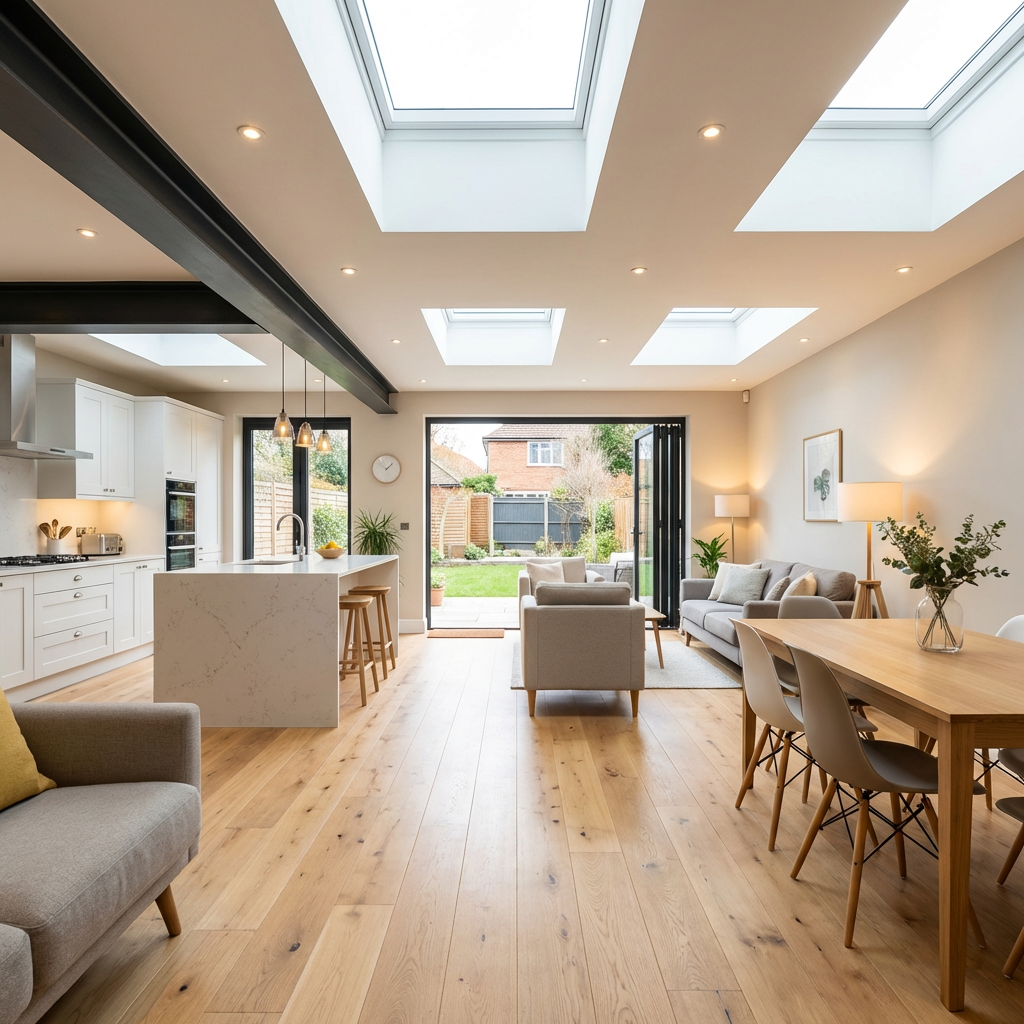
Planning a house extension demands careful consideration beyond aesthetics—structural integrity and adherence to regulations remain paramount. Prioritizing professional structural calculations and strict compliance with Building Regulations Part A ensures a safe and well-supported renovation, preventing potential failures and costly rework.
Key Takeaways
- Structural calculations remain non-negotiable, serving as the first line of defense against potential disasters during a house extension.
- New foundations, walls, beams, and roofs require precise integration and load transfer, demanding careful planning and professional expertise.
- Compliance with Building Regulations Part A is legally required and essential for safety, habitability, and maintaining property value.
- Addressing potential risks like inadequate foundations, undersized beams, and connection failures proactively can prevent costly overruns and ensure structural integrity.
- Allocate a contingency fund (10-15%) for addressing unforeseen issues like ground conditions, asbestos, or design changes during the project.
Why Professional Structural Engineering Is Non-Negotiable for Your House Extension
I always emphasize the critical role of structural calculations and compliance with Building Regulations Part A during house extensions. These steps ensure safety and proper support amidst renovations. Extensions alter the building’s core, so I advise against shortcuts that ignore these rules.
Core Structural Elements in House Extensions
You must address new foundations, walls, columns, beams, and roofs to make your home functional. These changes affect the existing structure, demanding precise integration. I recommend new foundations that transfer loads safely to the ground, considering soil type and compatibility with current materials.
Additionally, openings in walls need lintels or RSJs. Roofs require secure connections to prevent shifts. Temporary supports protect the site during work. This work qualifies as a material change, requiring full compliance with UK Building Regulations.
To illustrate, I suggest focusing on these structural needs upfront:
- New foundations support added weight without cracking.
- Walls and columns distribute loads evenly across the extension.
- Beams and roofs connect securely, maintaining integrity.
I ensure your extension becomes habitable space by securing Full Plans approval from Building Control. This approval demands design and calculations by a Chartered Structural Engineer, certified like MIStructE or MICE.
Investing in this expertise prevents disasters. Structural failures cause financial loss and risks lives. I draw from my experience to urge professional input. Skip it, and you invite collapse or penalties.
For deeper insights, I share knowledge as a chartered structural engineer on safe extensions. This approach saves costs long-term.
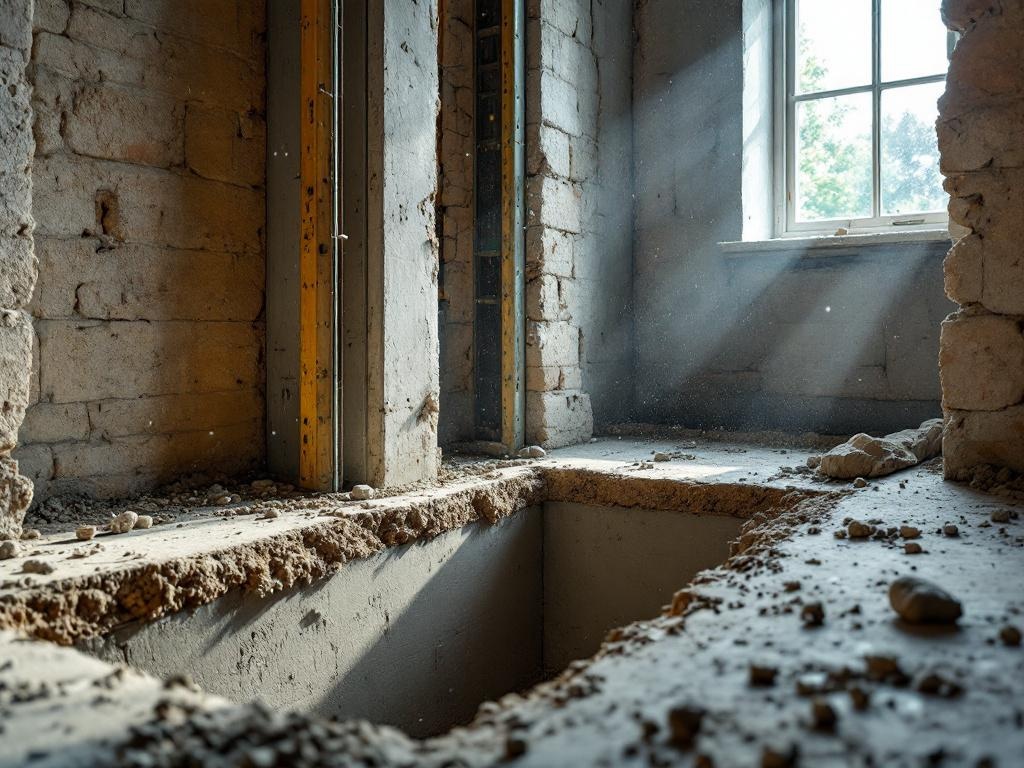
Critical Structural Risks That Can Destroy Your Extension Project
Structural calculations serve as your first line of defense against disaster during a house extension. I always stress verifying them against Building Regulations Part A to maintain safety and prevent costly mistakes. Skipping this step invites issues that turn minor renovations into major headaches.
One key risk involves inadequate foundations, where ignoring soil conditions like clay shrinkage or swelling causes differential settlement. Foundations that fail to reach the required depth of at least 750mm invite frost heave and outright collapse. Expect masonry cracking, uneven floors, or worse during winter months.
Undersized beams or lintels create another pitfall. An undersized RSJ for a new opening in an existing wall leads to excessive sagging and plaster damage over time. Doors jam and windows stick as the beam deflects too much. This isn’t a setback you fix easily; it demands immediate reinforcement to avoid bearing failure on the masonry. I recommend sizing these elements based on precise load calculations right from the start. Poor load transfer compounds problems by placing new columns directly onto floor slabs without pad foundations. Such point load failures erode your property’s integrity quickly.
Essential Connections and Supports
Connections between old and new structures need careful attention to prevent instability. Loose wall ties or improperly joined roof timbers allow water intrusion and differential movement, leading to damp issues and weakened supports. Temporary supports during construction demand professionalism too. Faulty Acrow props or strongboys collapse if not installed correctly, endangering lives and halting progress. These failures, though common without expert guidance, stem from cutting corners on regulations. Always include insulation details in your plans to align with Part A standards, as overlooked thermal bridging worsens damp and boosts energy costs.
Cost overruns soar when structural flaws force rebuilds. I advocate thorough design reviews to sidestep these traps. For deeper expertise on preventing these issues, check insights from structural engineers like Paul Kangunga, who outlines practical solutions for safe extensions. Structural failure doesn’t discriminate; proactive planning ensures your project thrives instead of falters. Calculate loads accurately, inspect soils thoroughly, and partner with qualified pros to uphold safety. Enjoy the process as your home expands securely.
Building Regulations Part A and Legal Compliance Requirements You Cannot Ignore
It’s essential to understand the importance of structural calculations and compliance with Building Regulations Part A when planning house extensions. These regulations ensure safety and provide proper support during renovations, preventing collapses and avoiding costly rework.
Key Building Control and Planning Essentials
Skipping Building Control Approval can have severe consequences. It’s illegal, voids insurance, complicates property sales, and invites enforcement actions such as demolition. Approved Document A requires that structural design prioritizes safety. Additionally, ignoring Planning Permission beyond Permitted Development Rights (PDR) can lead to notices requiring changes or even demolition.
PDR limits single-storey rear extensions to a 4-meter depth for detached houses and 3 meters for semi-detached or terraced houses, with restrictions on heights and curtilage coverage percentages.
Avoiding Party Wall Disputes and Performance Pitfalls
Failing to comply with the Party Wall Act 1996 can result in legal disputes. It’s crucial to serve proper notices via qualified surveyors before excavating near neighboring structures—within 3 meters of their foundations or 6 meters considering the angle of repose, or when building on boundaries. As Paul Kangunga advises regarding structural integrity, handling all party wall issues with precision is key.
Bypassing Approved Documents can lead to significant problems. Non-compliance with Document L can increase energy bills due to poor insulation. Overlooking Document C can result in damp issues. Neglecting Document B compromises fire safety, putting lives at risk. I always recommend verifying these documents to maintain property value and ensure habitability.

Real-World House Extension Costs for 2025
I focus on realistic pricing when budgeting for house extensions. Costs fluctuate widely due to factors like location, project complexity, material selections, and finish quality. In London, expect higher expenses compared to regional areas. Emphasize structural calculations and compliance with Building Regulations Part A during planning to guarantee safety and support.
Build costs per square meter exclude VAT, professional fees, and fittings. For a basic single-storey extension, I calculate £2,000 to £3,000 per m². A good quality version climbs to £3,000 to £4,000 per m². Double-storey extensions follow similar patterns. Basic ones run £1,800 to £2,800 per m² for the total footprint. Opt for good quality, and prices rise to £2,800 to £3,800 per m².
Consider a practical example. A 4m x 5m kitchen extension spans 20 square meters. Build costs could total £40,000 to £80,000 plus VAT. Always distinguish build costs, covering materials and labor, from separate professional fees for architects or engineers.
Material costs drive much of the variation. Inflation hits timber, steel, and insulation hard. Labour costs also surge due to shortages in skilled trades. Forecast these rises when planning. I recommend factoring in 10-20% buffers for unexpected price jumps.
Key Cost Components
I break down essential elements that impact totals. Review these to align with your extension goals.
- Basic extensions use standard materials and straightforward designs, keeping builds efficient.
- Good quality versions incorporate premium finishes, improving durability and aesthetics.
- Location matters; urban sites incur higher transportation and permit fees.
- Material inflation and labour shortages push prices upward quarterly.
Incorporate structural engineering advice to manage these variables. I stress verifying Building Regulations Part A adherence for every extension to avoid costly rework.
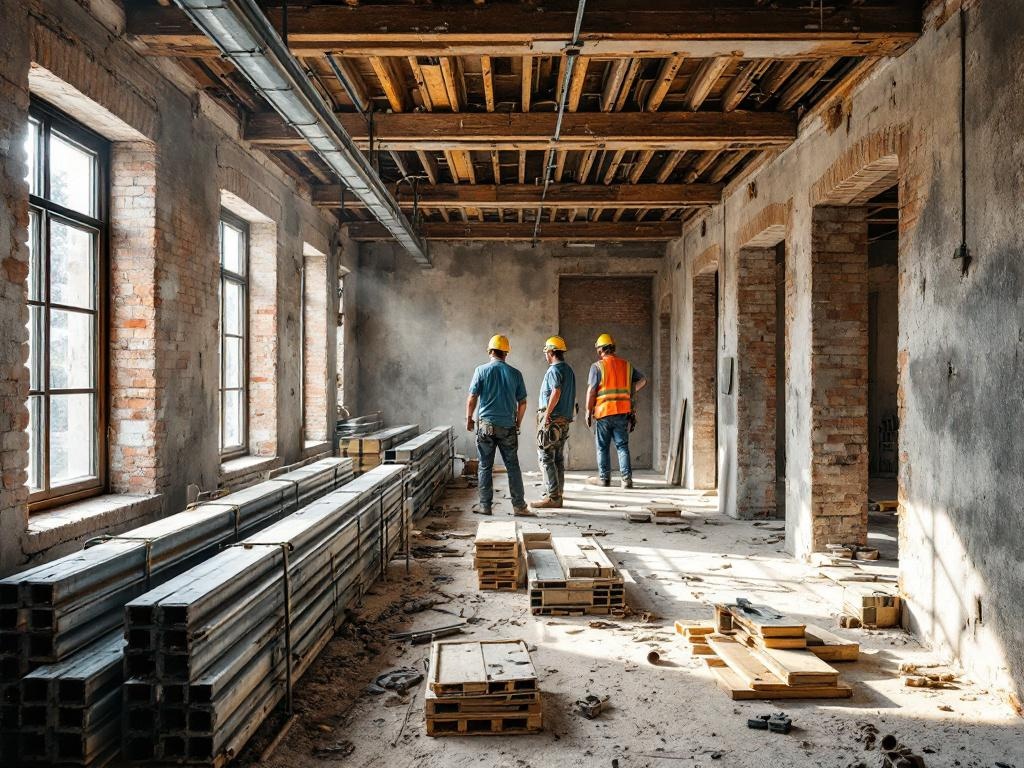
Professional Fees Breakdown: What You Actually Need to Budget
I emphasize structural calculations and compliance with Building Regulations Part A when planning house extensions. These ensure safety and proper support during renovations. Preparing your budget for professional fees involves understanding costs for key experts. These fees vary based on project size and location. I advise allocating funds upfront to prevent over-runs later.
Core Professional Fees
Start with an architect or designer if your extension requires detailed planning. Their fees typically range from 7-15% of the total build cost. For smaller projects, expect a fixed fee around £2,500. Larger, complex designs, like double-storey extensions, can reach £15,000 or more. This covers concept sketches, planning application documents, and construction blueprints. Engage a structural engineer early to handle load-bearing designs. They calculate everything from foundation details to steel beams and roof connections. Fees often fall between £1,000 and £3,500, with extras for site checks or complex features like basements. Remember, costs rise with complication. A £1,500 investment here prevents major failures that could cost far more to fix. Building Control charges for application reviews and inspections run from £600 to £1,800, depending on extension scale and local rules. Their oversight confirms adherence to safety standards.
Additional and Contingency Fees
Include party wall surveys if adjoining properties impact your plans. Under the Party Wall Act 1996, fees per neighbour range from £1,500 to £4,000. Disputes or multiple neighbors drive costs higher. Prepare for other potential expenses too. Topographical surveys cost £500-£1,500 to map land and levels. CCTV drain checks add £200-400 for underground assessments. Specialist reports may cover trees, wildlife, or heritage, varying by need. High-quality design and engineering at the start save money and reduce stress. For more on structural engineering, I often refer newcomers to Paul Kangunga’s articles on beam design.
Set aside a contingency for unforeseen issues. Direct consultations with professionals yield accurate quotes tailored to your extension. Always verify their credentials, such as MIStructE or MICE for engineers, before committing. This approach keeps your project on track and compliant.
Protecting Your Budget: Contingency Planning and Hidden Cost Triggers
I always recommend setting aside a contingency fund of 10-15% of the total project cost to cover unforeseen issues during house extensions. This allocation prepares you for surprises like poor ground conditions, services diversions, or unexpected structural elements in the existing building. Careful planning here ensures you handle challenges without derailing your finances.
Prioritize structural calculations early to spot potential problems, and ensure all work complies with Building Regulations Part A for robust support. I conduct thorough audits of your property to identify risks such as inadequate initial designs that could lead to redesigns or abortive builds.
Common Triggers for Cost Overruns
While unforeseen ground conditions might necessitate deeper foundations, other factors can escalate expenses rapidly. Discover hidden costs by reviewing a full property survey before starting. Here are key triggers that often cause overruns:
- Unforeseen ground conditions requiring expensive piling or underpinning solutions.
- Discovering asbestos in the existing structure, which demands specialized removal and increases safety costs.
- Inadequate initial design leading to frequent changes, wasted materials, and extra labor.
- Supply chain disruptions for key materials like timber or concrete, prolonging timelines and inflating prices.
I advise consulting experts like Paul Kangunga to pinpoint these issues early. Maintain open communication with your team to identify shifts promptly. Address structural integrity first to stay aligned with regulations and avoid costly fixes later. Allocate contingency strategically across phases for better control. Monitor progress closely and adjust as needed. This approach minimizes disruptions and keeps your extension on track.
Sources:
Institution of Structural Engineers (IStructE) – Structural Engineering of Low-Rise Buildings
Royal Institute of British Architects (RIBA) – Homeowner’s Guide to Working with an Architect
GOV.UK – The Building Regulations 2010: Approved Documents (specifically Approved Document A – Structure, Approved Document L – Conservation of Fuel and Power, Approved Document B – Fire Safety, Approved Document C – Site Preparation and Resistance to Contaminants and Moisture, Approved Document M – Access to and Use of Buildings)
GOV.UK – Planning Portal: Permitted Development Rights for Householders
GOV.UK – The Party Wall etc. Act 1996: Explanatory Booklet
Royal Institution of Chartered Surveyors (RICS) – Party Wall Legislation and Procedure Guidance Note
Leave a Reply