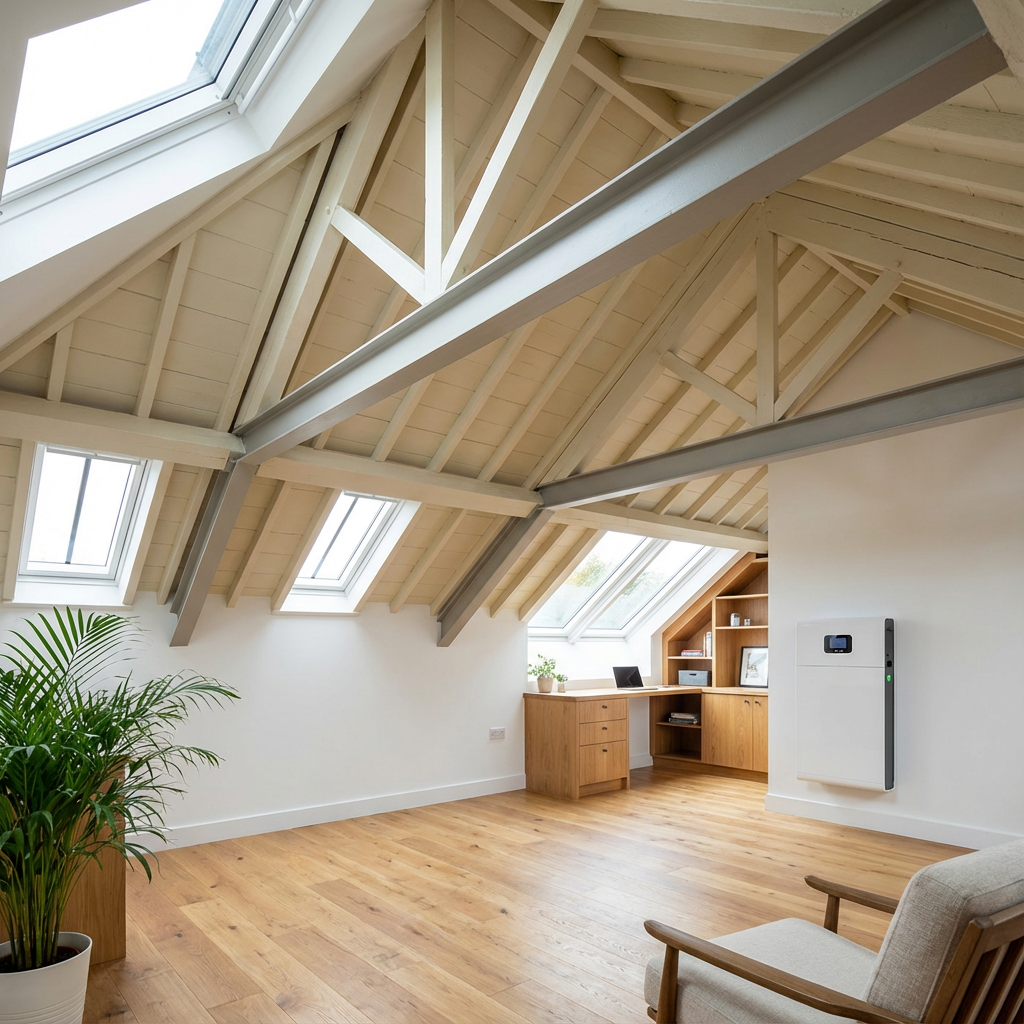
Solar panel installations on older UK homes create serious structural risks that many homeowners overlook. Houses built between the 1930s and 1970s face particular challenges when supporting modern renewable energy systems. I’ve seen firsthand how these well-intentioned upgrades can overwhelm aging roof structures.
Key Takeaways
- Increased Load Risks: Solar panels and battery storage significantly increase the dead load on roofs built before modern Eurocode benchmarks, particularly impacting traditional cut timber roofs.
- Weather Amplifies Issues: Snow and wind conditions exacerbate the stress on older roofs that weren’t designed to withstand the combined forces.
- Structural Assessments are Crucial: Professional structural assessments are essential before installing solar or battery systems to identify potential weaknesses and ensure safety.
- Timber Degradation: Moisture, pests, and age weaken timber components over time, making older roofs more vulnerable to failure under increased loads.
- Traditional vs. Trussed Roofs: Traditional cut timber roofs require careful inspection, while post-1970s trussed roofs can be compromised by modifications and need lightweight systems with even weight distribution.
Structural Concerns with Older Roofs
The structural engineering community has documented numerous cases where solar installations caused visible sagging, cracking, and in extreme cases, partial roof collapse. Traditional cut timber construction methods used in pre-1970s homes simply weren’t calculated to handle today’s solar loads. Modern building standards include safety margins that older structures lack completely.
Importance of Professional Assessment
Professional assessment becomes critical before any installation proceeds. Structural engineers can identify weak points, calculate load capacities, and recommend reinforcement strategies. Skipping this step often leads to expensive repairs and potentially dangerous situations.
Weather and Load Interaction
Weather conditions compound these structural concerns significantly. Snow accumulation combined with panel weight creates loading scenarios that exceed original design parameters. Wind uplift forces also interact differently with panel-mounted roofs, creating stress patterns the original builders never anticipated.
Final Recommendations
I recommend thorough inspection of timber condition, joint integrity, and load-bearing capacity before proceeding with any solar project on pre-1980s homes. The investment in professional assessment protects both property value and occupant safety.
Why Your 1950s Roof Might Not Survive Your New Solar Panels: The Weight Crisis Hitting UK Homes
I often see homeowners rushing to install solar panels and battery storage on older properties, unaware that these additions impose far more strain than the roofs can bear. Those pre-1970s homes, built with simple timber frames, followed load standards far below today’s Eurocode benchmarks. A standard 4kWp system of 16 panels spans 25-30 square metres and weighs 250-450kg total, with crystalline silicon panels at 10-15 kg/m² plus mounting hardware. This dead load piles onto structures designed for lighter burdens.
Heavy Impacts from Storage and Mounting
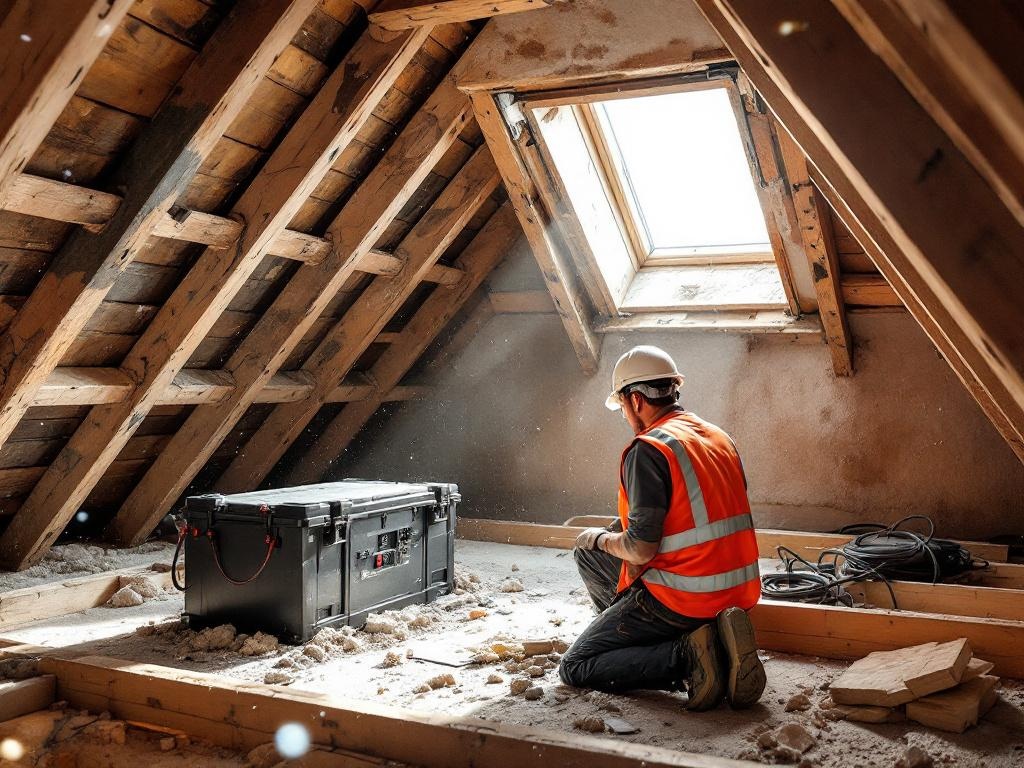
Battery packs raise the stakes further. A 5-10kWh lithium-ion unit tips the scales at 80-150kg, often placed in lofts where it creates concentrated point loads. Inverters throw on another 20-40kg. I advise clients to spread these weights evenly if possible, but retrofitting rarely allows that. Traditional cut timber roofs, unlike modern trussed ones, lack the engineered strength to distribute loads well. Over decades, wood weakens from moisture and pests, making failures more likely.
When Weather Compounds the Problem
Snow and wind interactions worsen matters. Panels can catch more snow, accumulating to 0.6 kN/m² in southern England or 1.2 kN/m² in the Scottish Highlands, per BS EN 1991-1-3. They also disrupt airflow, boosting wind uplift or suction per BS EN 1991-1-4. Older roofs, never tested for such combos, may deflect or collapse under the pressure.
I recommend structural assessments before installation:
- Use lightweight panels where possible
- Distribute systems across multiple locations
- Resist overloading with oversized batteries
This trend of greening old roofs saves money long-term, but only if you fortify them first. Check your timber for rot and bolster where needed. Ignoring this invites costly damage or danger.
What Actually Fails: The Structural Breakdown Hidden in Your Loft
Old UK roofs from the 1930s to 1970s bear the weight of decades, yet adding solar panels and battery storage introduces forces they weren’t built for. Excessive deflection causes rafters and purlins to bend beyond acceptable limits, like L/300 to L/400, which affects the roof line and leads to sagging ceilings. You can often see this as drooping ridges that compromise aesthetics and invite water through new gaps in the tiling and underlay.
How Deflection and Sagging Manifest
Timber fatigue from overloaded rafters often results in cracking plasterboard or lath ceilings below. Central joists twist under uneven loads, pushing gypsum or horsehair renders to their limit. Historic nails loosen over time, widening cracks that allow damp to enter. It’s critical to inspect for these signs before installation, ensuring modern systems distribute weight evenly to avoid premature wear and failure.
Point Loads and Progressive Risks
Battery systems’ concentrated masses create point load failures, potentially punching through joists if not installed with proper padstones that transfer force directly to load-bearing walls. Inverters pose similar risks unless they are braced securely against party walls or reinforced supports. Shear forces in traditional joints—like birdsmouth or mortise and tenon—increase when tensile loads rise, leading to joint failure especially where rot is already present.
This overload burdens adjacent rafters and can cause a progressive collapse, a chain reaction of structural breakdown across the roof. Accelerated decay from membrane defects worsens the scenario, enabling moisture ingress that corrodes electrics and rots timber supports at their foundations.
To mitigate these risks, I strongly advise structural surveys for any roofing system on pre-1970s buildings. Follow these preventative steps:
- Use engineered mounts that span multiple rafters for solar panels
- Place battery racks directly over sturdy beams or padstones
- Check for signs of wood rot and nail loosening in older timbers
- Ensure inverters are installed with adequate lateral bracing
Spot reinforcement early prevents catastrophic shifts, enabling you to embrace green energy without compromising the safety and character of heritage homes.
The Real Cost of Getting Your Roof Ready for Renewables
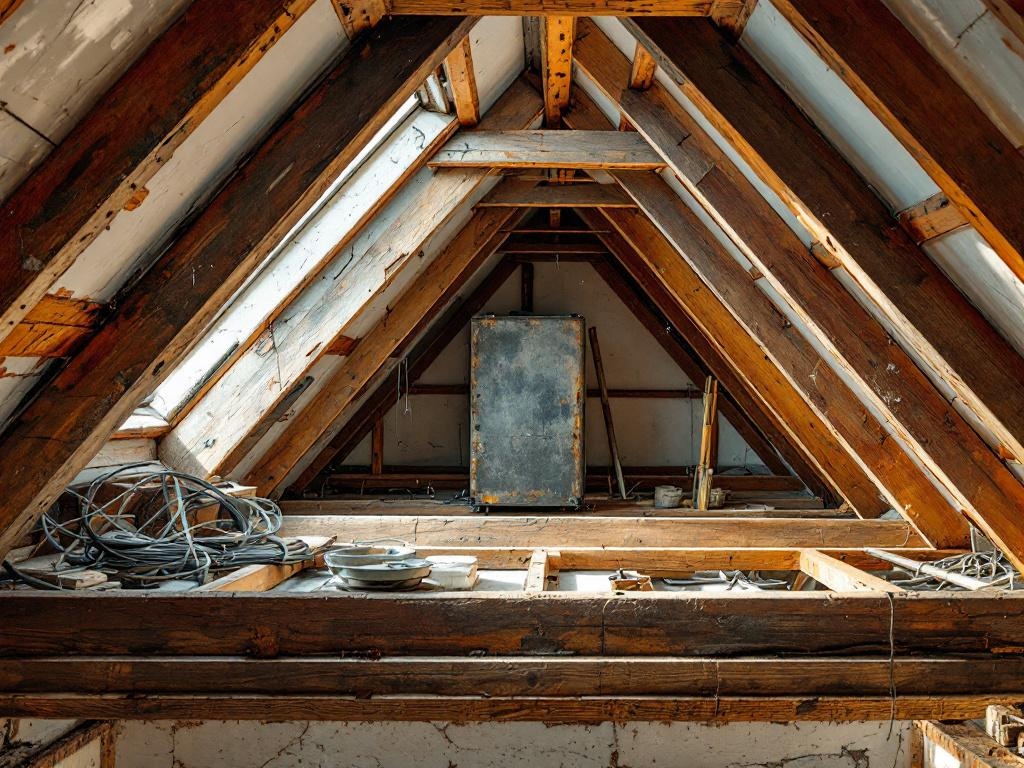
I dive straight into the numbers that hit UK homeowners hardest when we bolt solar panels and battery storage onto those cherished 1930s to 1970s roofs. These structures weren’t built for today’s heavy tech loads, so we often reinforce the rafters, purlins, and party walls to handle the extra weight. Professional help starts the process, and I always recommend it early to avoid surprises.
I begin with a structural engineer who surveys your site and assesses feasibility. Expect fees ranging from £350 to £600 plus VAT for that visit and review. This step confirms if your roof can take the strain without cracking under the photovoltaic panels’ dead load, typically 15-25 kg per square metre, plus dynamic loads from wind and rain.
For deeper insights, commission a detailed structural survey and report. Fees here climb to £800–£1,500, outlining exactly where your timber rafters or purlins might fail. Factors like wood decay in older homes amplify risks, so this report guides precise upgrades.
If modifications go further, you’ll need a full structural design with drawings. I charge £1,500–£3,500 plus VAT based on complexity, ensuring our plans meet Building Regulations for roof alterations. This document sets the blueprint for any ongoing work.
Navigating Fees and Permits
Once designs lock in, submit applications to Building Control. Their approval cost sits at £300–£600, separate from engineering fees. Skipping this invites fines, so I file these applications immediately after our reports to streamline your project.
Breaking Down Material and Labour Costs
I break material costs into essentials for reinforcement:
- C24 grade timber: £50–£150 per linear metre – ideal for sistering rafters or purlins to boost strength.
- Steel flitch plates or Universal Beam RSJs: £300–£800 per 3-metre length – perfect for heavy-duty support.
- Connectors (joist hangers, resin anchors): £50–£200 – to secure everything firmly.
- Padstones: £20–£50 each – crucial under new beam placements to prevent foundation shifts.
Labour drives expenses higher still:
- Skilled carpenters: £250–£400 per day – for installing timber and fittings.
- Steel fabricators: £350–£600 daily – for welding and mounting RSJs.
- Scaffolding: £800–£2,500 per home – ensures safe access on pitched roofs.
Total strengthening works vary widely:
- Minor reinforcements: From £2,500 – covering quick fixes for lightweight panels.
- Major overhauls: Up to £12,000 plus VAT – especially for full rafter replacements in multi-storey homes.
Including professional fees, expect £4,000–£18,000 plus VAT overall per project. I also factor in potential extras like professional indemnity insurance for engineers, adding peace of mind against liability claims.
These figures reflect current UK markets but fluctuate with supplier rates and project scale. I advise homeowners to:
- Get multiple quotes
- Check for VAT implications
- Consider incentives like the Green Homes Grant for partial reimbursement
- Time upgrades during warmer months to cut labour downtime
Fifty years ago, roofs coped with slate alone, but today’s renewables test their limits, demanding we act now to prevent costly failures down the line.
https://www.youtube.com/watch?v=4shD2fHasnM
The Legal Minefield: Building Regulations, Insurance, and Party Walls
I see many homeowners rushing to add solar panels and battery storage without considering the rules. These systems can strain roofs built before modern standards, so staying compliant feels tricky yet crucial.
Navigating Building Regulations
Significant load changes require adherence to Approved Document A (Structure). This means submitting plans and getting Building Control approval before installation. Skipping this step risks fines and complicates selling your home later.
Approved Document B emphasizes fire safety, dictating that batteries sit in ventilated spots without weakening structural fire resistance. Similarly, Approved Document C insists on preserving roof weather integrity to block moisture ingress.
Consider this practical step:
- Consult a qualified structural engineer early. They evaluate your roof’s capacity and design compliant reinforcements.
Doing so prevents enforcement issues and ensures long-term stability.
Insurance and Party Wall Concerns
Inform your insurer about any structural mods, like those from extra roof weight. Ignoring this can invalidate policies and block claims if problems arise.
In shared properties, the Party Wall Act 1996 kicks in for changes affecting common walls or roofs. Serve formal notices to neighbors to avoid disputes.
To stay safe, keep these tips in mind:
- Document everything.
- Keep records of approvals and communications handy.
This proactive approach shields you from legal traps and fosters neighbor goodwill. Remember, overlooking these details turns a green upgrade into a costly liability.
Why Your Solar Installer Cannot Sign Off on Structural Safety
I always stress that a qualified UK Chartered Structural Engineer steps in before you mount any solar panels or battery storage on your roof. This isn’t optional; it’s a mandatory safety check.
Solar Installers’ Focus and Limitations
Solar installers excel at wiring and system efficiency. They don’t handle intricate structural checks. Most skip training on timber design under Eurocode standards like BS EN 1995. Their professional indemnity insurance won’t protect you if a roof collapses under extra weight. You need more than wiring know-how here.
- Limited training on structural loads
- No qualification in timber or roof design
- Insurance typically excludes structural failures
The Crucial Role of Engineers and Approvals
Local Building Control demands approval for any work that boosts loads on rafters, purlins, or party walls. Structural engineers assess load paths through the roof structure, producing reports and drawings. These offer unbiased confirmation.
Skipping this invites massive risks—think structural failure, injuries, and endless disputes. Costs from such problems dwarf the price of upfront assessments.
- Engineer evaluates structural supportability
- Engineer provides official documentation
- Building Control requires this for compliance
I prioritize structural design stability over green ambitions. It safeguards your property’s long-term value. Consult an expert first; it aligns quick solar adoption with solid engineering. Your roof deserves that balance.
The Vulnerable Roofs: Traditional Cut Timber vs Modern Trusses
Many homeowners are embracing the green energy movement, eagerly installing solar panels and battery storage on homes built between the 1930s and 1970s. While the intentions are commendable, this surge in installations places strain on rooftop structures that were never designed for such added weight. Among these, traditional cut timber roofs are particularly at risk.
Pre-1970s Traditional Cut Timber Roofs
Homes built before the 1970s often feature traditional cut timber roofs. These structures depend on solid wood components, connected using methods like birdsmouth joints, mortise and tenon joints, and nails. Rafters typically span from the ridge to the wall and are supported by ridge boards, purlins, and ceiling joists.
While these elements may appear robust, decades of moisture exposure, pest activity, and general wear can degrade the timber, making it less capable of bearing extra weight. In many cases, previous alterations such as loft conversions have already introduced additional stress. Adding solar panels without considering these factors could lead to structural failure.
Key recommendations:
- Inspect the timber for rot, warping, or pest infestation.
- Have a structural engineer assess the roof’s current load capacity.
- Check historical alterations to ensure they didn’t compromise the structure.
Post-1970s Trussed Rafter Roofs
Homes built after the 1970s commonly incorporate trussed rafter roofs, known for their cost-effective and efficient design. These roofs utilize pre-fabricated triangular timber frames that comply with building regulations but only allow for minimal load beyond what they were designed to support.
Modifications, particularly cutting into internal webs for storage or conversions, can severely undermine their integrity. When it comes to installing solar PV systems or heavy battery units, these roofs may falter unless they’re properly evaluated and reinforced.
Best practices include:
- Use lightweight panel systems whenever possible.
- Distribute weight evenly across multiple trusses.
- Consult with building control authorities before starting any retrofitting work.
- Avoid overloading shared (party) walls; anchor systems to structural rafters instead.
When in doubt, work with experienced professionals to ensure solar and battery installations are safe, sustainable, and structurally sound. The move to greener energy shouldn’t come at the cost of a compromised roof.
To understand the structural consequences further, here’s a helpful video:
https://www.youtube.com/watch?v=1gYikA_TV8U
Sources:
Institution of Structural Engineers IStructE: The Structural Engineer’s Role in Residential Property
UK Government, The Building Regulations 2010: Approved Document A Structure
UK Government, The Building Regulations 2010: Approved Document B Fire Safety
BS EN 1991 Eurocode 1: Actions on structures
BS EN 1995 Eurocode 5: Design of timber structures – Part 1-1: General – Common rules and rules for buildings
National House Building Council NHBC: Standards 2024, Chapter 7.2 Roofs
Party Wall etc. Act 1996
Leave a Reply