
Councils and mortgage lenders are heightening their focus on the structural elements of home extensions, specifically RSJs (Rolled Steel Joists) and padstones, due to rising concerns over unregulated alterations and the resulting financial implications.
Key Takeaways
- Increased Scrutiny: Both councils (via Building Control) and mortgage lenders are now requiring more thorough proof of structural safety and proper installation in house extensions.
- Structural Engineer Essential: It is vital to engage a qualified Chartered Structural Engineer at the earliest stage of the project to handle design, calculations, and ensure adherence to UK building regulations.
- Significant Cost Beyond the Beam: Budgeting should go beyond just the physical RSJ; consider professional fees (engineers, Building Control inspections), party wall surveyor fees, and material costs.
- Documentation is Key: Maintain a complete record of all structural certificates and documentation. These should be organised into a sales pack to avoid delays or potential issues during refinancing or future sale of the property.
- Party Wall Act Awareness: Homeowners must be mindful of the Party Wall Act 1996 which requires written notice to be served to adjoining owners for certain types of work. This is crucial to avoid legal complications and avoidable expenses.
In conclusion, failing to meet these new expectations could result in delays, higher costs, or difficulty securing financing. Proactive planning and proper documentation are now more important than ever for successful home extension projects.
The True Cost of Structural Soundness: Why That Four-Metre Beam Costs More Than Steel
Builders face growing pressure from councils and lenders to ensure every extension includes solid structural backing. Erecting a four-metre beam requires more than just steel for stability. Costs escalate with compliance needs, turning a basic installation into a comprehensive investment. I see this pattern in every project: the true expense lies in expert fees, materials, and inspections that protect against future liabilities. Councils now demand detailed calculations upfront, while lenders scrutinize documentation to avoid mortgage risks. Skipping these steps invites hefty penalties, so plan accordingly.
Full Investment Breakdown for Structural Compliance
Expect to allocate a significant budget beyond the beam itself to meet 2025 UK standards. Professionals play a key role here; they guarantee designs hold up under regulations. Start with structural engineer fees, which cover calculations and drawings.
- For a standard domestic extension: £600 to £1,800 plus VAT.
- Fees increase with job intricacies and location.
Add in inspection visits at £150 to £300 each, plus VAT, to verify ongoing work. These checks catch issues early, preventing costly overruns.
Building Control fees follow, ranging from £350 to £800 excluding VAT. These cover:
- Plan reviews
- On-site assessments, which vary by project scope and local authority
Don’t overlook party wall surveyor fees if neighbors share walls. Expect:
- £1,000 to £3,000 plus VAT per neighbor for an award
- Owners typically foot this bill to avoid disputes
This paperwork shields against legal tangles.
Materials for a typical 4-metre steel universal beam add up quickly. A 203x133x25kg/m beam costs:
- £150 to £300 plus VAT
Pair it with:
- Two pre-cast concrete padstones: £30 to £60 plus VAT
- Ancillary items (props, packing, fixings): £100 to £200 plus VAT
These components distribute loads evenly, vital for load-bearing structures.
Skilled labor completes the build, with contractor rates from:
- £1,500 to £3,500 plus VAT, depending on access and complexity
Contingency funds round out the package. Set aside:
- 10% to 15% of your total budget for surprises like concealed utilities or hazardous materials
The professional fees, often £1,000 to £5,000+, form a small slice of an extension’s cost but deliver crucial peace of mind. They enable smooth council approvals and lender satisfaction. Cutting corners here leads to remedial fixes that balloon expenses. I advise clients to prioritize these upfront elements. They transform a beam into a compliant, enduring feature. Lenders reward this diligence with easier financing. Councils reduce scrutiny on well-prepared submissions. Over-invest now, and you save long-term.
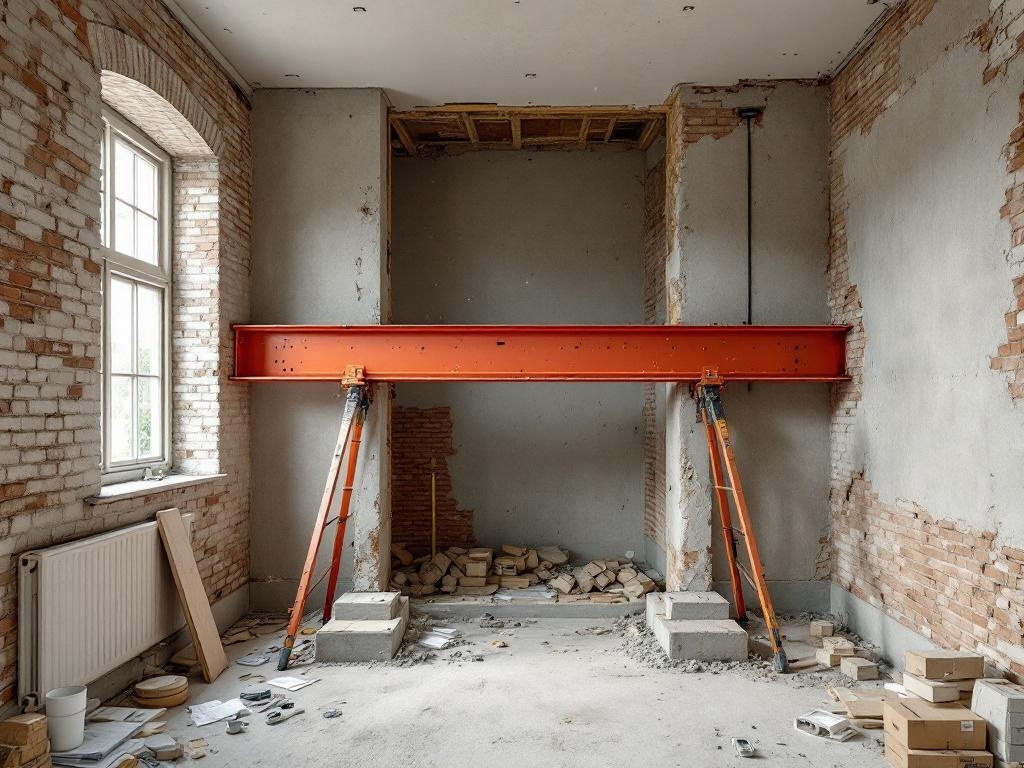
Why Councils and Lenders Are Demanding More Than Just a Builder’s Word
Councils, through Building Control departments, and mortgage lenders are increasingly pushing for more than verbal assurances from builders regarding structural extensions. This shift stems from concerns over unchecked home modifications and uninsured buildings. To address these, any structural changes require formal Building Regulations Applications that demonstrate compliance with Approved Document A.
All submissions must originate from Chartered Structural Engineers bearing the qualifications MIStructE or FStructE. These credentials assure accuracy, accountability, and alignment with national standards.
Building Control Requirements
The Party Wall etc. Act 1996 requires property owners to issue formal notices and potentially obtain awards when altering or affecting shared walls or foundations. Both engineers and architects generally back their work with professional indemnity insurance, underscoring their professional responsibility.
Allowing builders to choose key structural elements—like RSJs or padstones—without input from qualified structural engineers can pose major risks. Such practices compromise safety, legality, and future resale value.
I recommend assembling all necessary certificates and documents in your sales pack. This helps prevent delays or disputes when it’s time to sell, refinance, or extend your property.
Lender Scrutiny
Mortgage lenders are increasingly strict due to the significant risks posed by uncertified alterations. Improper works can devalue properties or even make them unmortgageable. To avoid these outcomes, lenders now require verified documentation for any structural modifications.
It is crucial to evaluate structural dossiers with diligence before investing in or authorizing property extensions. Doing so protects your financial interests, promotes public safety, and ensures full regulatory compliance.

The Engineering Reality: What Those Beam Calculations Actually Mean for Your Extension
Extensions change the core structure of a home. They introduce new openings in walls, blend different roof profiles, strengthen foundations, or add extra weight vertically. I always ensure builders use precise beam calculations to pick the best size, material—often steel RSJs, UBs, or UCs, sometimes timber or concrete for shorter spans—and connection details. These calculations follow Eurocodes and BS EN standards to avoid failures that could compromise safety or lead to costly rework.
Building Control officials and mortgage lenders scrutinize these details more now. They demand verified data over guesswork to protect homeowners and comply with regulations. Skipping this step risks rejection of your planning permission or loan approval. I advise clients to engage qualified engineers early to produce detailed reports, including structural certificates, to smooth the process.
Key Elements in Beam Calculations
Accurate beam sizing considers several critical loads and forces. These elements ensure beams handle real-world stresses effectively and prevent issues like cracks or collapses.
- Dead loads cover the constant weight of the structure and any finishes.
- Imposed loads include dynamic weights from usage, such as furniture, occupants, or snow on roofs.
- Wind loads account for external pressure or suction that could twist or displace beams.
- Deflection limits control how much a beam bends, keeping it straight for both looks and strength.
- Shear forces and bending moments help size beams precisely, ensuring they resist twisting and flexing.
- Point loads address concentrated impacts, often requiring padstones or extra reinforcement under supports.
I incorporate these into every design I work on. Modern extensions demand this level of rigor because councils and lenders prioritize reducing homeowner risks and enforcing strict safety rules. Without verified calculations, your extension might face delays or denial during approvals. Consult an engineer with expertise in these standards to avoid pitfalls and keep your project on track.
https://www.youtube.com/watch?v=IoTFOiSakoBQ
When Cutting Corners Costs Six Figures: The Real Risks of Missing Structural Certificates
I often see homeowners and builders skip structural certifications to save time and money on house extensions. Yet, this shortcut exposes properties to serious flaws that lenders and councils now scrutinize closely. They focus on extension RSJs, padstones, and missing paperwork, knowing oversight leads to disasters.
Common problems from inadequate structural work hit hard:
- Undersized or misaligned beams cause masonry cracking.
- Excessive deflection leads to sagging roofs or joists.
- Point load failures crush masonry or foundation elements.
- Worst, disproportionate collapse occurs when one failure triggers broader damage.
What Happens When Compliance Fails
Building control officers issue immediate stop work notices or enforcement orders. They may demand demolitions or full redesigns in extreme cases. Non-compliance draws fines up to £5,000. Criminal prosecution follows for repeated issues.
Insurance suffers too:
- Policies are voided if they cover undocumented works.
- Claims get refused on those faults.
- Public liability claims rise for injuries or damages caused by shoddy builds.
From a lending viewpoint, missing certifications hold up mortgages. Some properties become unmortgageable. Devaluation hits hard, slashing values by tens of thousands.
Legally, skipping party wall notices sparks injunctions and lawsuits. Owners pay neighbours’ legal fees and damages. I advise always involving qualified engineers early to avoid these traps. Their input prevents six-figure bills from delays, strained relations, and blocked sales. Examiners demand solid calculations and certificates now, so I push for proactive checks to keep projects on track.
The Beam Doctor’s Non-Negotiable Protocol: Why the Structural Engineer Comes First, Not Last
I view hiring a Chartered Structural Engineer right at the project’s onset as compulsory. Builders might pressure you to skip early steps, but this approach builds a solid foundation for success. A qualified engineer, such as one accredited through MIStructE or FStructE, evaluates feasibility swiftly. They pinpoint potential challenges with beams or load-bearing walls before you dig into costs.
Controllers and lenders demand strict proofs, especially for those RSJs and padstones in extensions. They won’t approve plans without solid calculations. My advice holds: position the engineer at the forefront to guide design from concept. He translates vague ideas into compliant structures aligned with British Standards and Eurocodes. His PI insurance covers risks, blocking costly rework.
Builders sometimes cut corners to lowball quotes, yet engineers intervene to avert errors. Visualize a home with a flawed extension—lenders reject mortgages on such properties. Buyers flee when certificates vanish from packs. I recommend involving the engineer early so his drawings streamline approval processes. This saves time and headaches.
Consider these key benefits from early inclusion:
- Precise cost forecasts prevent surprises in extensions.
- Designs adapt to site specifics without altering budgets.
- Structural integrity boosts resale value and safety.
Engineers advocate for your home’s future rather than adding paperwork. Councils scrutinize beam details intensely these days. Lenders verify every calculation for fraud risks. Heed my protocol: make the structural engineer your first partner. It ensures structures stand firm and sales proceed smoothly.
https://www.youtube.com/watch?v=2Emob_PxpQwn2M
When Your Neighbour Has a Say: The Party Wall Act No One Tells You About
Extending your home often means dealing with structures shared between properties. The Party Wall etc. Act 1996 kicks in here, requiring you to serve notices if your plans affect shared walls, excavate near neighboring foundations, or build right on the boundary. This law protects both sides, preventing conflicts before they start. I see many homeowners overlook it, but understanding its rules saves you time and money.
Key Requirements of the Act
The Act demands formal notices to neighbors for specific works. If your project touches a party wall, like adding a RSJ (Rolled Steel Joist) for an extension, you must alert them in writing. Surveys might reveal subsidence risks or structural issues, which this process helps address early. For excavations—say digging foundations close to a neighbor’s property—you need to notify them too. Ignoring these steps invites trouble. Neighbors can object, forcing an award that outlines how work proceeds.
- Written notice required for work on party walls
- Notice also needed for excavation near adjoining structures
- Risk of subsidence or shifting structures investigated by surveyors
- Neighbors can dispute, leading to a formal party wall award
Managing Notices and Fees
Often, agreements come easily, but if a neighbor disagrees or stays silent, you appoint surveyors. Each party might hire their own expert, splitting costs between you and the neighbor—though you usually cover the full bill. I estimate these fees run £1,000 to £3,000 plus VAT per neighbor, depending on the job’s scale. Skimping on this invites disputes that can derail your project. Hire qualified surveyors to keep things smooth. They draft the award, detailing protections like crack monitoring during construction. This not only complies with lending rules but also builds trust with your neighbor.
- Attempt to reach an agreement with the neighbor after serving notice
- If disputed or ignored, appoint separate surveyors
- Surveyors draft a party wall award to set out how work will proceed
- Expect to pay £1,000–£3,000 + VAT per neighbor
For more information on the Party Wall Act, you can visit the UK government’s official source on the topic: Party Wall etc. Act 1996 Guidance.
https://www.youtube.com/watch?v=WJ5MeBjaioU
Sources:
The Institution of Structural Engineers (IStructE) – Membership requirements, professional standards, guides.
UK Building Regulations 2010 (as amended) – Approved Document A (Structure).
The Party Wall etc. Act 1996 – Legislation governing party wall matters.
The Royal Institution of Chartered Surveyors (RICS) – Guidance on Party Wall procedures and valuation.
The Planning Portal (UK Government) – Information on Planning Permission and Building Regulations.
Various UK Local Authority Building Control Departments – Fee schedules and application guidance.
Leave a Reply