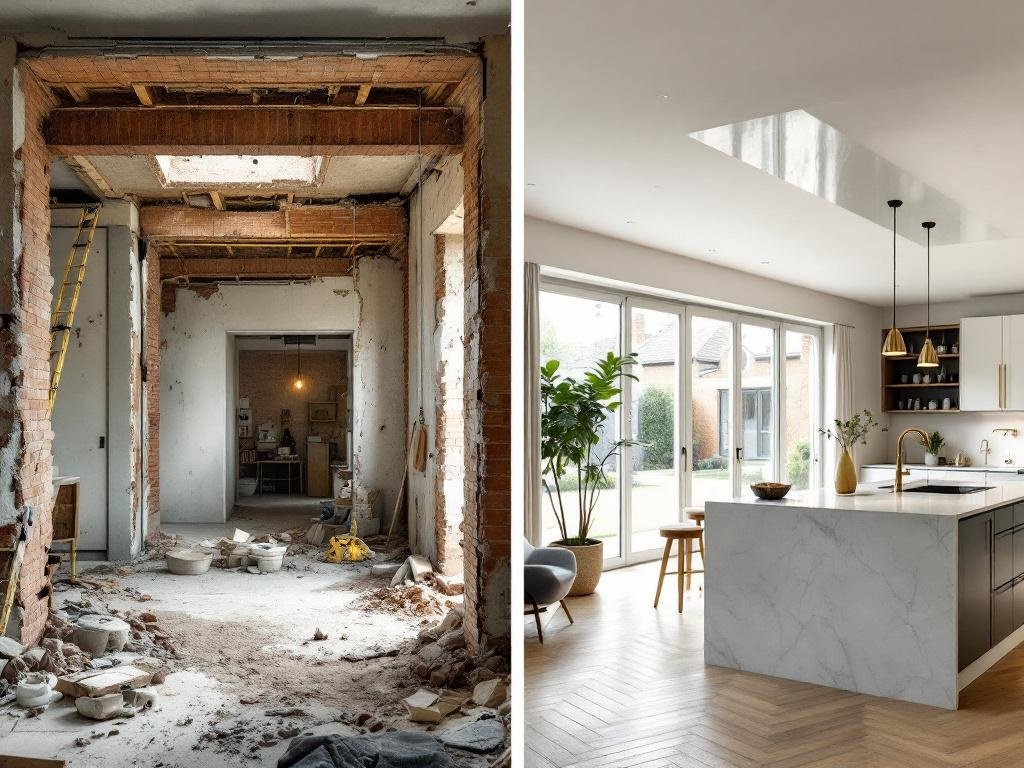
Creating open-plan living spaces by removing load-bearing walls offers expansive design possibilities, but requires careful structural planning and adherence to regulations to ensure safety and stability. Achieving a seamless kitchen-diner knock-through safely depends on understanding structural engineering principles and meeting the requirements of Building Control, neighbors, and insurance providers.
Key Takeaways
- Professional Engineering is Essential: I always engage a Chartered Structural Engineer (MIStructE) to assess loads and design appropriate structural supports like RSJs, posts, and nibs before any wall removal.
- Secure Building Control Approval: I obtain formal approval from Local Authority Building Control before starting work, addressing regulations and the Party Wall Act to protect neighbors.
- Party Wall Agreements are Crucial: I proactively engage a Party Wall Surveyor and generate a Party Wall Award to avoid disputes and ensure legal compliance when working near shared walls.
- Fire Safety is Paramount: I properly compartment my property by sealing openings with fire-rated materials, adhering to Approved Document B guidelines, to prevent fire spread.
- Employ Qualified Professionals: I hire experienced and certified builders who understand Building Regulations and can deliver compliant structural work, safeguarding long-term property value and insurer approval.
Never Remove a Load-Bearing Wall Without a Chartered Structural Engineer and Building Control Approval
I always stress this point because removing a load-bearing wall without expert guidance invites disaster. You might dream of a seamless kitchen-diner flowing into an open space, but structural integrity hinges on precise calculations from a Chartered Structural Engineer with MIStructE qualifications. They assess loads from floors above, roofs, and adjoining structures to ensure stability. Skipping this step risks collapse, endangering lives and properties.
Always secure official consent from your Local Authority Building Control before starting. They enforce regulations, including the Party Wall Act, which protects neighbors from potential damage. Informal chats with builders or online forums won’t cut it—demand formal approvals based on engineered designs. This path keeps you compliant and shields against legal troubles down the line.
Costs for professional advice seem steep at first, but they pale beside the hefty bills from unauthorised alterations. A botched job could void your home insurance, leaving you footing massive repair bills if issues arise. I’ve seen owners face personal liability for neighbor disputes or property failures, proving that shortcuts lead to financial nightmares.
For those reshaping spaces safely, I guide them through engineered supports like RSJs, posts, and nibs. These solutions bridge wide openings, blending your design vision with solid structural reality. You achieve that expansive kitchen-diner connection without compromising safety, all while satisfying Building Control, party wall neighbors, and insurers.
Professional drawings detail every beam and joist, ensuring Party Wall notices notify impacted parties early. This transparency builds trust and avoids costly delays. You end up with a transformation that feels right, backed by expert endorsement.
Key Risks of Shortcutting on a Load-Bearing Wall Removal
Unauthorised removals amplify everyday dangers into serious threats. For instance, improper support might shift loads unevenly, cracking walls or ceilings in your home or your neighbor’s. Insurance providers often drop coverage after discovering unlicensed changes, exposing you to claims for damages. Legal ramifications include:
- Fines from Building Control for non-compliance
- Lawsuits under the Party Wall Act for ignoring neighbor agreements
- Voided property insurance leading to personal financial liability
This isn’t about stifling creativity—it’s about executing it soundly. I advocate for verified steps to create inviting, open-plan areas that last. Partners with me use RSJs to open up flow between kitchen and diner areas, reinforced with nibs for stability. We design these details to align with local bylaws, securing approvals that reassure insurers and avoid disputes. Those results speak volumes, turning potential DIY disasters into successful renovations.
Understanding What You’re Actually Removing and What Must Replace It
You’re likely eyeing an open-plan kitchen-diner for that airy vibe, but dismantling a load-bearing wall demands precise replacements to maintain safety. I focus on replacing vertical loads from above floors with engineered beams that keep everything stable.
Identifying the Load-Bearing Wall
These walls support weight from upstairs floors or roofs, transferring substantial point loads down to foundations. Removing one without a plan risks structural collapse, so always consult a structural engineer early. They assess the wall’s exact role in your building’s superstructure.
I start by recommending surveys that map out loads, ensuring Building Control approves your scheme. This avoids disputes with insurers or party wall neighbours. For instance, Acrow props and strongboys provide temporary support during demolition, holding up overhead structures while you install the new beam.
Installing Reliable Replacements
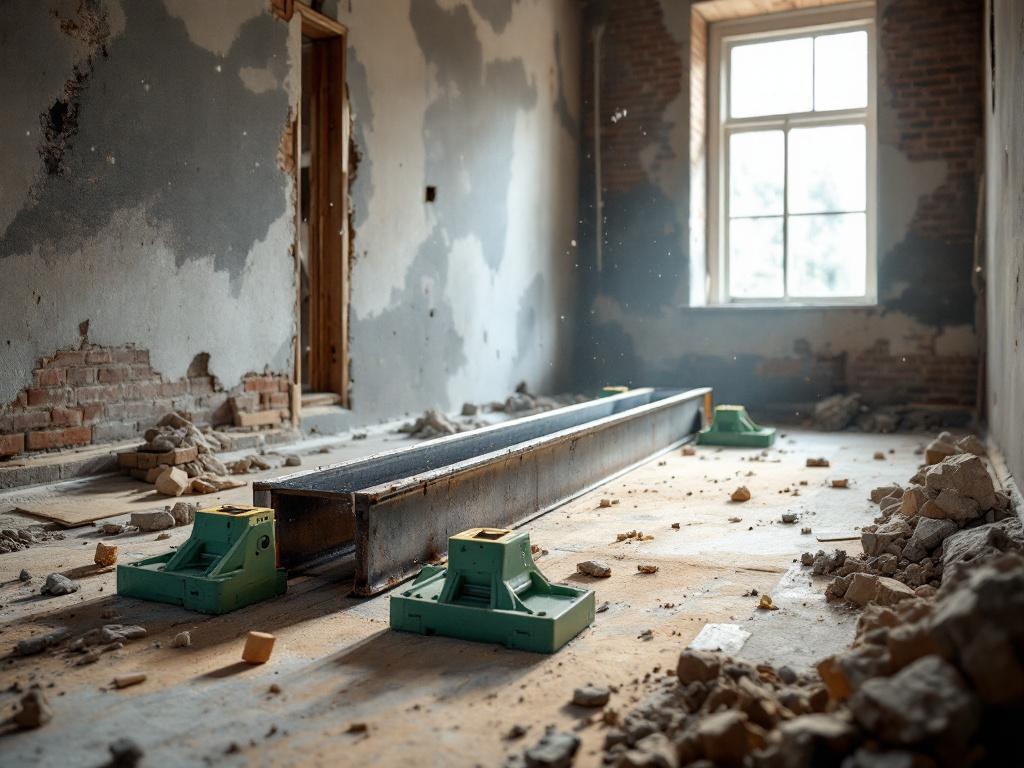
Engineered RSJs or steel beams often serve as replacements, designed to bridge wide openings safely. Place them on robust padstones—dense concrete slabs that spread loads evenly into masonry walls below. This setup distributes stress without cracking foundations.
Concrete lintels or timber flitch beams work for narrower spans, but I opt for RSJs in larger homes to blend design ambitions with reality. Final encasing uses fire-rated plasterboard to meet regulations and tuck beams neatly into ceilings.
Secure all elements firmly, as Building Control demands verifiable calculations. I ensure party wall agreements and insurer checks happen upfront, preventing costly delays. This approach lets you create inviting open spaces without compromising safety.
The Real Cost of Doing It Properly in 2025
I tackle structural challenges in kitchen-diner knock-throughs by focusing on safe, wide openings that preserve stability. Expect costs to rise as building standards evolve, but planning ahead keeps regulatory bodies satisfied without hikes.
Breaking down the expenses shows layered costs beyond basic demolition. I recommend getting quotes early and factoring in VAT to avoid surprises.
Professional Services
I always advise consulting a Chartered Structural Engineer first. Their fees cover a site inspection, Eurocode-compliant calculations per BS EN 1990–1997, and design drawings. You pay £600–£1,500 plus VAT for these essentials. Next, submit a Building Control Application to your local authority, costing £300–£500 depending on project size. Ignore this step and risk failing inspections.
If you share a party wall with neighbors, hire a Party Wall Surveyor. Their work, including generating a Party Wall Award, runs £900–£2,000+ per adjacent property. This ensures you satisfy legal requirements and avoid disputes.
Materials and Labour
For the steel elements, an RSJ—your primary load-bearing option—costs £250–£900, including delivery and primer. Pair it with padstones at £40–£120 per pair to distribute weight correctly.
Rent temporary propping equipment like Acrow props or strongboys for £75–£200. These keep structures secure during work.
You’ll need sundries such as cement, insulation, and fire-rated plasterboard for £150–£400. These finish the job to meet fire safety codes.
Labour from a skilled builder totals £1,800–£4,500 for a 3–5 day stint covering demolition, installation, waste removal, and finishing touches. Choose experienced teams to handle RSJ placement and ensure insurer-approved results.
Overall, plan for total costs of £3,100–£9,600+, with average projects hitting £4,500–£7,000. I stress that these figures exclude kitchen fittings or full redecoration. Adjust for your home’s specifics to balance savings with safety. This approach supports design goals while aligning with insurers and neighbors.
The Life-Threatening and Financial Risks of Getting It Wrong
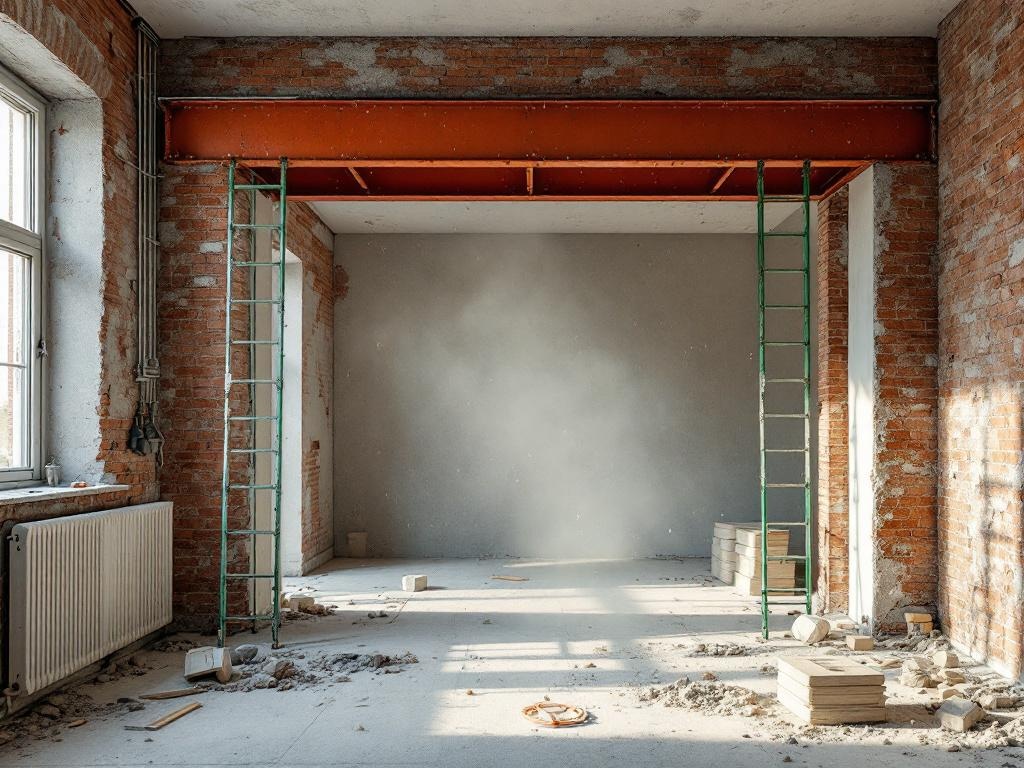
Ignoring Building Regulations and professional input when knocking through a wall turns a renovation into a serious hazard. I often encounter clients who underestimate these dangers, leading to unauthorised works that breach The Building Regulations 2010 and Approved Document A. This exposes you to enforcement notices, hefty fines, and in worst cases, demolition orders. Without a Building Control Completion Certificate, selling your property becomes impossible and legal compliance falls apart.
Structural Failures That Doom Your Home
Misidentify a load-bearing wall, skip temporary support, or choose the wrong beam specifications, and a structural collapse looms. Immediate risks include:
- Sagging floors
- Masonry cracking
- Bowed walls
- Roof or foundation failure
These are scenarios that spell disaster and potential fatalities. In the long term, point load failure accelerates degradation, often voiding insurance claims for unapproved work. An unqualified builder makes matters worse, turning a dream extension into a nightmare.
The Party Wall etc. Act 1996 demands proper notice for shared wall work, yet non-compliance triggers:
- Legal injunctions
- Costly disputes
- Project delays
- Forced surveyor hires
Fire safety under Approved Document B erodes without proper fire compartmentation, increasing dangers like fire spread. At the same time, thermal bridging worsens energy loss, compromising energy efficiency. Unqualified builders further inflate renovation costs with cowboy tactics.
I strongly emphasize that insurers reject claims on faulty renovations, leaving property owners financially exposed. Experts advise consulting structural engineers early to avoid these traps, ensuring RSJs and posts support wide openings without compromising stability. I also recommend seeking Building Control sign-off upfront to ensure peace of mind.
Fire Safety and Compartmentation Requirements You Cannot Ignore
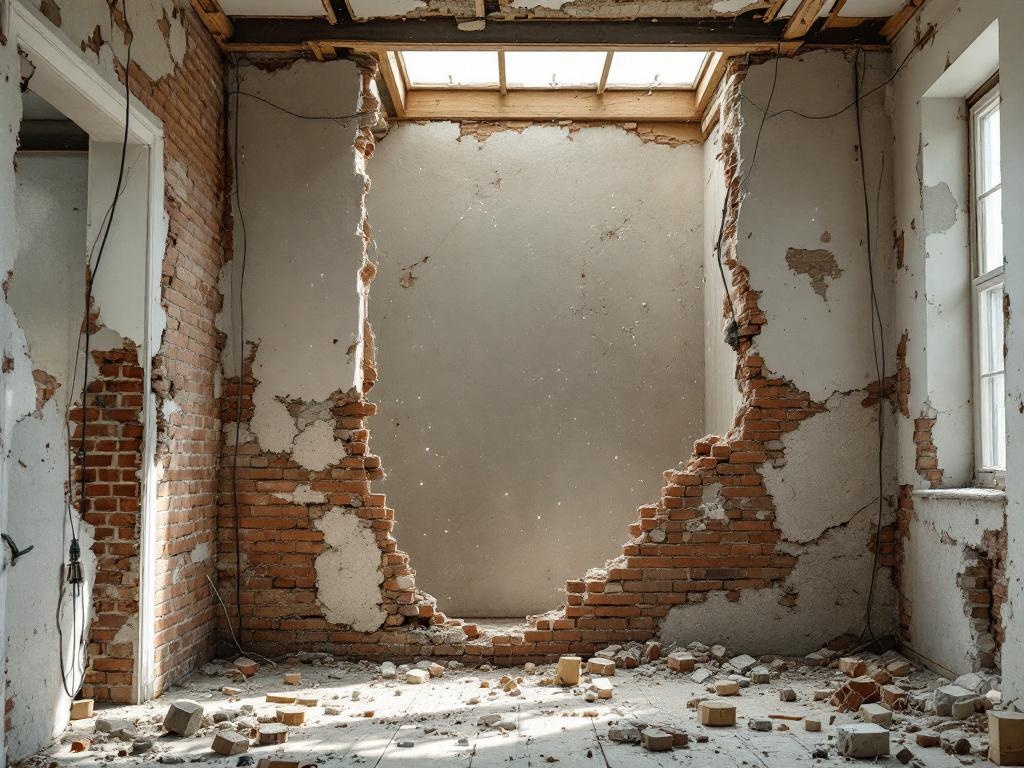
I blend design dreams of wide, inviting openings with the hard facts of structural safety, ensuring you create those open-plan kitchens and diners using RSJs, posts, and nibs. Yet, I always remember that Building Control, party wall neighbors, and insurers demand strict compliance to avoid disputes or claims. Fire safety sits at the core of this, where compartmentation prevents blazes from spreading unchecked through your home.
Fire can race through unsealed gaps around beams, posing grave risks in flats or shared buildings. I advise sealing all new structural elements with fire-rated materials to maintain compartmentation, as this keeps flames contained and buys time for escape.
Under The Building Regulations 2010, Approved Document B: Fire Safety sets the rules. I interpret these to mean every opening must uphold fire resistance, especially in multi-occupancy settings. For instance, use fire mastic to seal joints and fix fire-rated plasterboard to coverings around RSJs.
Essential Practices for Compliance
To keep everyone safe without sacrificing your vision of expansive spaces, I follow these steps:
- Inspect existing walls for breaks; repoint and seal them with fire mastic before knocking through.
- Encase any exposed steel beams in fire-rated plasterboard, ensuring at least 30 minutes of resistance per guidelines.
- Consult a structural engineer early to place posts and nibs correctly, avoiding weak points that could breach compartments.
I incorporate these measures during installation, testing seals to verify no pathways for smoke or flames. This approach satisfies inspectors and protects lives, letting you enjoy a structurally sound, fire-safe open layout. Always document your methods for insurers, showing how design and safety unite seamlessly.
Why Professional Builders Matter and Cowboy Builders Will Cost You Everything
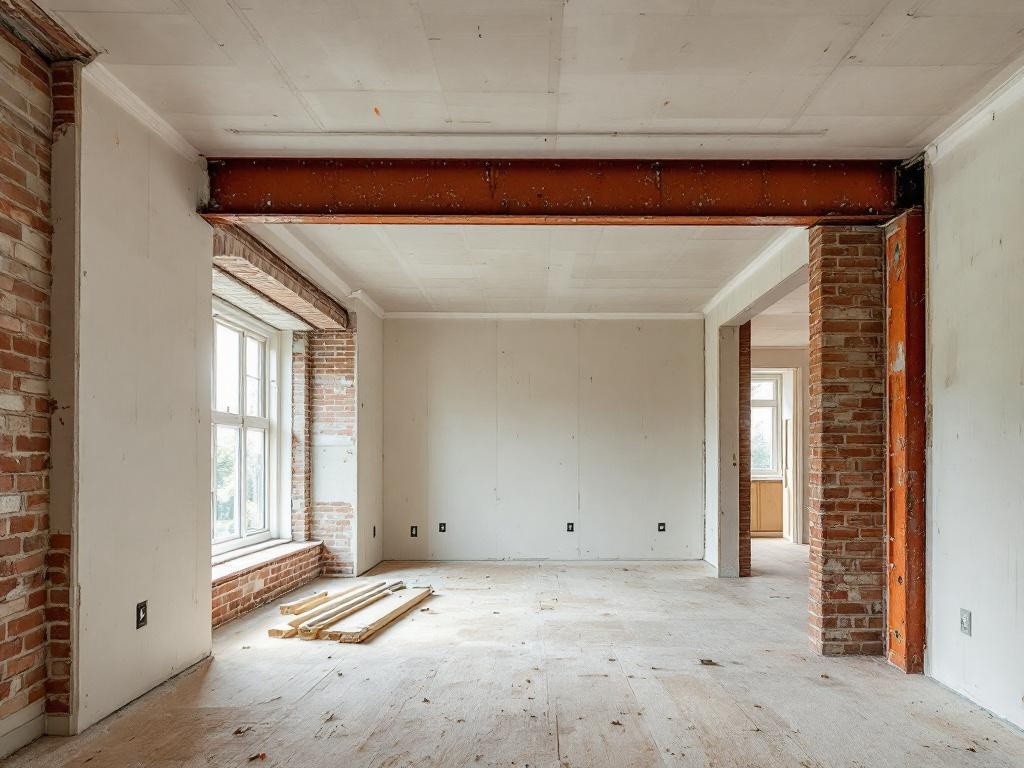
I blend design aspirations with structural reality, showing how to achieve wide openings safely using RSJs, posts and nibs while keeping Building Control, party wall neighbours and insurers on-side. You hire an unqualified builder or cowboy because they seem cheaper at first, but that mistake ramps up risks of non-compliance with structural designs and British Standards. They cut corners that compromise safety in open-plan kitchen-diner knock-throughs, exposing you to issues that erode your home’s integrity over time.
Risks of Hiring Cowboy Builders
An unqualified builder often overlooks key details in structural work, leading to problems like deflection where load-bearing elements shift under weight. This creates cosmetic damage, such as plaster cracking in your new kitchen-diner layout, disrupting the smooth, open space you envision.
Thermal bridging occurs when insulation gaps form, drawing in moisture that causes water damage and mold growth. These faults tend to hide at first, surfacing as costly repairs that challenge your property’s value.
Without proper certification, these cowboys fail to secure a Building Control Completion Certificate, leaving you non-compliant and liable for legal headaches. The resulting chaos alienates insurers, who deny claims due to improper installations, and strains relations with party wall neighbours over shared faults.
Advantages of Certified Tradespeople
I recommend choosing experienced and certified tradespeople who deliver compliance every time. These professionals use RSJs, posts, and nibs to create safe, wide openings that meet standards while honoring your design dreams.
They:
- Inform Building Control early
- Maintain clear communications with neighbours
- Align with insurer guidelines for smooth approvals
This approach protects occupant safety by preventing collapses or unforeseen issues, and it sustains your property’s long-term value. By avoiding shortcuts, certified builders safeguard against hidden defects, giving you peace of mind in your renovated space.
Their expertise turns potential dramas into seamless transformations that stand the test of time.
https://www.youtube.com/watch?v=HOomP5c63k0
Sources:
The Building Regulations 2010 (as amended) – Approved Document A: Structure
The Building Regulations 2010 (as amended) – Approved Document B: Fire Safety
The Party Wall etc. Act 1996
Institution of Structural Engineers (IStructE) publications and guidance (e.g., “Manual for the Structural Design of Low-Rise Buildings in Accordance with Eurocodes and UK National Annexes”)
Leave a Reply