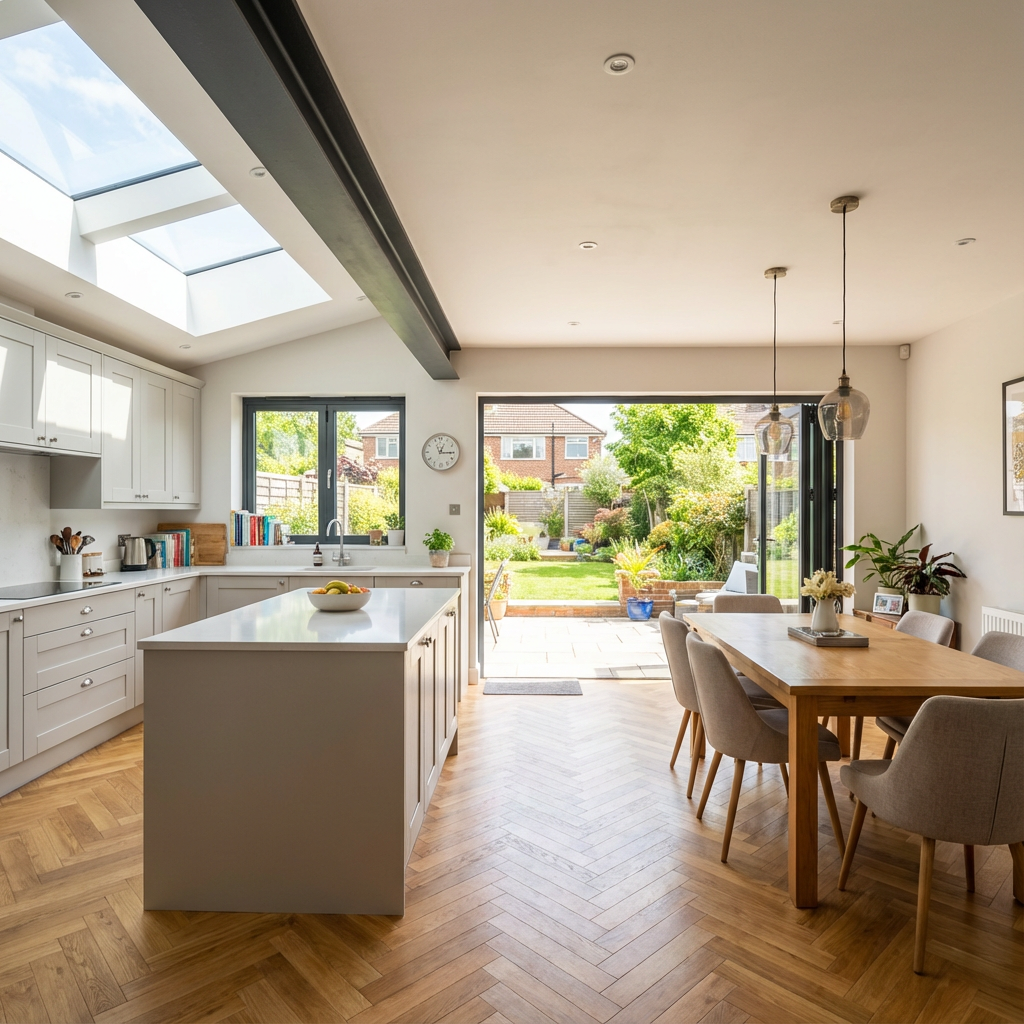
Reforms to the National Planning Policy Framework have brought more convenience to homeowners by simplifying the approval process for single-storey rear extensions—such as kitchen-diners and bi-fold door installations. However, it’s crucial to understand that although planning permissions are more accessible, they do not eliminate the requirement to comply with essential Building Regulations.
Compliance with Building Regulations Remains Essential
While the route to planning approval may be quicker under updated guidelines, homeowners must still ensure that any extension—no matter how minor—meets the requirements of Building Regulations, particularly Part A, which governs structural safety and stability.
Key Areas to Focus On
- Permitted Development Rights (PDRs): These simplified planning policies allow certain works without needing full planning permission, but they only address planning—not construction integrity.
- Part A of Building Regulations: This part is concerned with the structural strength of buildings, especially when making alterations such as removing or modifying load-bearing walls.
- Use of Qualified Professionals: Employing a structural engineer ensures proper load calculations and beam sizing for features like knock-throughs and rear extensions.
- Size Limits and Structural Impact: Even if your extension fits the permitted size (up to 4 meters for detached homes, 3 meters for others), you’ll still need comprehensive structural assessments.
- Budget for Safety: Including costs for professional services—such as structural engineering and Building Control approvals—is critical to a safe and regulation-compliant project.
Why Structural Design Cannot Be Overlooked
Features like expansive kitchen-diners and bi-fold doors impact the load distribution in a house. To ensure long-term structural success and to avoid costly failures, homeowners must work with skilled professionals and adhere strictly to structural guidelines mandated by Building Regulations.
For detailed guidance on Permitted Development Rights and what is included, refer to the official technical guidance on PDRs.
The Critical Misconception: Permitted Development Does NOT Mean You Can Skip Structural Safety
National reforms such as those introduced in the National Planning Policy Framework have relaxed planning rules, enabling certain home improvements—like single-storey rear extensions—to be approved more swiftly under Permitted Development Rights (PDRs). Projects like rear kitchen-diners and installing bi-fold doors now require less bureaucracy when fitting within prescribed limits.
However, these relaxed permissions under PDRs do not exempt homeowners from adhering to Building Regulations. Structural elements—especially knock-throughs involving load-bearing walls—still require precise engineering to ensure the safety and integrity of the home.
Homeowners commonly mistake PDRs as a green light to bypass professional oversight. This misunderstanding introduces serious risks. It’s essential to recognize that PDRs apply solely to planning approval. They do not negate Building Regulations, which are in place to uphold structural safety.
As an example, Schedule 2, Part 1, Class A of The Town and Country Planning (General Permitted Development) (England) Order 2015 (as amended) permits:
- Single-storey rear extensions up to 4 metres deep for detached houses
- Up to 3 metres deep for semi-detached or terraced houses
- Max height of 4 metres, reduced to 3 metres at the eaves when within 2 metres of a boundary
- Use of materials that match the existing house
- Placement at the rear elevation
Even larger extensions made permissible temporarily (up to 8 metres for detached or 6 metres for others) still imposed the same structural obligations. Homeowners must not mistake size exemptions as safety exemptions. Constructing rear kitchen-diners or adding expansive glass doors without proper engineering places the property at risk of structural collapse.
According to Approved Document A – Structure, all structural changes must demonstrate compliance. Only qualified structural engineers can properly design the necessary beams and supports to manage new load paths created during alterations.
Essential Criteria and Fees for Permitted Extensions
A rear extension qualifies under PDR if it:
- Stays within the 4-metre depth for detached homes (or 3 metres for others)
- Uses materials similar to those of the existing building
- Is positioned strictly at the rear elevation
Even for extensions that comply with PDR criteria, structural safety assessments remain critical. I recommend hiring a structural engineer early in the design stage. Their expertise ensures that load-bearing elements are adequately supported when creating openings for features like bi-fold doors or open-plan spaces.
Building Control fees, typically ranging from £500 to £1,000, cover plan assessments and site inspections. These fees support the review of construction safety, reinforcing the importance of professional compliance even when planning laws are relaxed.
In summary, national reforms simplify the planning process but do not affect safety regulations. Prioritize structural design to ensure your extension stands the test of time and avoids costly repairs.
https://www.youtube.com/watch?v=Q6fAAJkXTng
Why RSJs, Padstones and Structural Calculations Are Mandatory for Your Rear Kitchen-Diner Opening
I often encounter rear kitchen-diner openings that involve large-scale changes like installing bi-fold doors or removing entire walls. These modifications demand structural integrity, so elements such as RSJs, padstones, and professional calculations become non-negotiable. Let’s break down why each component plays a vital role in ensuring your project succeeds without endangering the home or the people inside it.
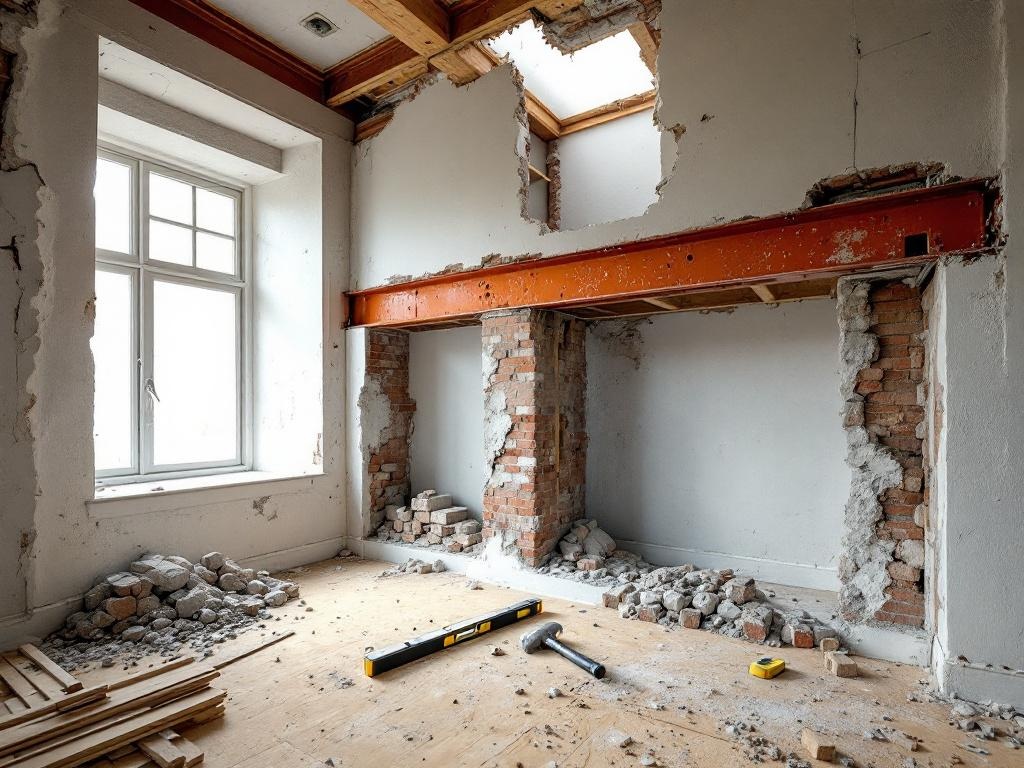
RSJs, or rolled steel joists, provide the backbone for supporting loads above large openings. Timber or pre-stressed concrete lintels serve similar purposes. I always recommend specifying the right size because undersized beams deflect over time, causing noticeable cracks or even catastrophic failure if unchecked. Proper sizing prevents these issues, but only a detailed calculation confirms the best choice. Timber options offer flexibility for lighter loads, while RSJs excel in heavy-duty scenarios, often costing between £300 and £800 for a 3m span.
Essential Support Systems for Structural Stability
Padstones distribute concentrated loads from beams into the masonry walls. Without them, or if you install incorrectly sized ones, the walls crush or crack under pressure. Each padstone typically ranges from £50 to £150, a small investment that averts major headaches. I ensure my projects include padstones with suitable supports at beam ends, matching the masonry strength to avoid failure points.
Failing to prop the structure temporarily during construction adds huge risks. Inadequate Acrow props can collapse, creating immediate danger. I supervise propping to keep everything secure until the permanent supports take over.
The Role of Professional Expertise
A Chartered Structural Engineer from institutions like MIStructE or FStructE offers expertise here. They produce calculated and signed designs covering foundations, beams, roofs, and more, all aligned with Building Control standards. Fees run from £800 to £2,500 plus VAT, varying by project scope. Skipping this step means relying on guesswork, which invites structural failure and costly repairs. I prioritize these engineers to deliver safe, compliant results every time.
These requirements hold even as national reforms ease planning for rear extensions. Building Regulations Part A enforce them, guaranteeing your home withstands everyday demands and external pressures.
Foundation Design and Ground Conditions: The Hidden Risks That Will Crack Your Extension and Your Original House
I examine how national reforms to the National Planning Policy Framework and permitted development align with local plans, revealing implications for rear kitchen-diners, bi-folds, and structural knock-throughs. Even as planning rules loosen, Building Regulations Part A demands careful attention. Effective beam design remains crucial to avoid catastrophic failures.
New single-storey rear extensions require solid foundations like strip or trench-fill types made from reinforced concrete to spread loads evenly. These support the structure without causing undue stress on the ground. Ignoring poor soil conditions leads to serious issues. Where the soil proves inadequate, pile foundations often become necessary. This prevents the extension from sinking unevenly.
Incorrect foundation design triggers differential settlement, particularly when the new foundations fall within the 45-degree influence zone of the existing house’s foundations. Such misalignment causes masonry cracking in both the new extension and the original structure. Users encounter visible signs like cracked walls and uneven floors, which compromise safety. I recommend consulting a structural engineer early. They assess site conditions and design appropriate foundations. Specialists ensure compatibility between old and new.
Poorly matched foundations for specific soil types result in excessive settlement or even collapse. Clay soils pose particular risks, as they swell and shrink with moisture changes. Nearby trees exacerbate this, potentially causing heave or subsidence if not considered. Tree roots draw moisture from the soil, leading to foundation movement. Avoid planting large trees close to your extension. Existing mature trees demand evaluation during planning.
Standard foundation costs range from £800 to £1,500 per linear metre, adding up to £5,000 to £9,000 for a 12m² extension. These figures vary by location and soil complexity. Budget for these as a core expense. Cutting corners here invites costly repairs later.
A strong connection between the new extension and the existing house structure prevents instability. Poor detailing invites differential movement and cracking at the junction. I advise using reinforced concrete beams or steel ties for seamless integration. These elements distribute loads and resist shifts.
Key Considerations for Excavations
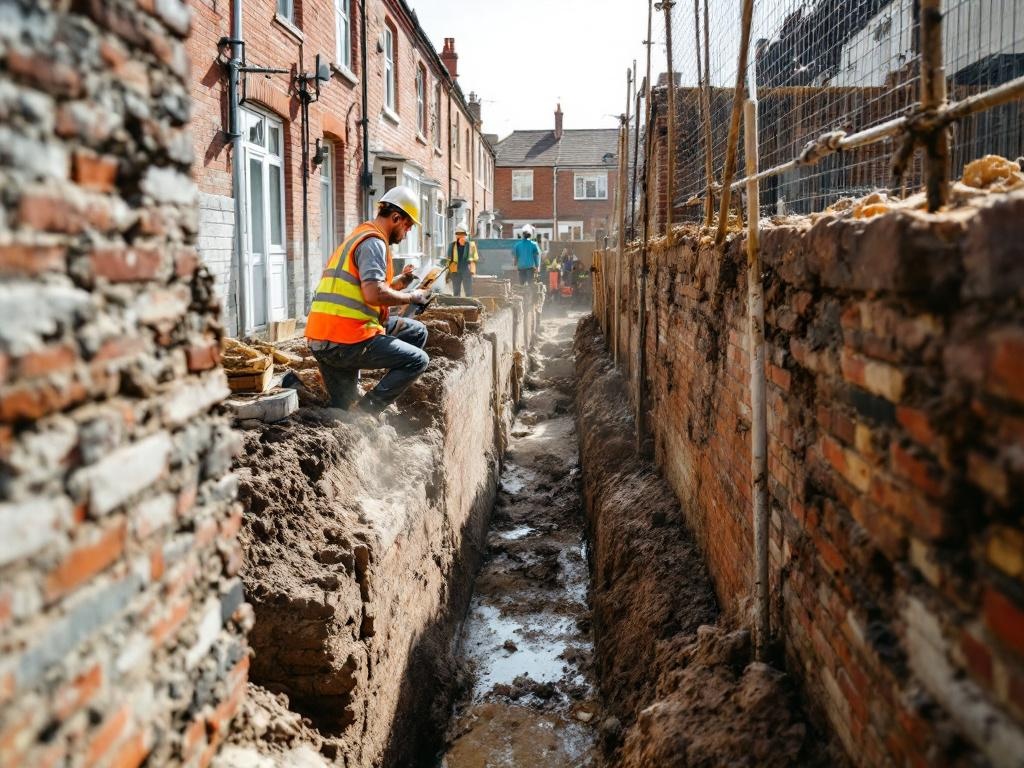
Excavations for foundations must stay stable and shored to avoid collapse during construction. Working in tight spaces near existing structures heightens risks. Trenches can cave in without proper support. Hire certified professionals for shoring. They use hydraulic props or trench boxes to secure sides.
Properly connecting and designing new structures boosts safety and durability for both the extension and the original home. This focus maintains integrity across the property. Users gain peace of mind with expert oversight. I ensure designs meet Building Regulations, guarding against hidden pitfalls like those from relaxed planning regimes. Even relaxed rules for rear additions don’t exempt builders from solid engineering principles. Bi-fold doors and kitchen-diners benefit from this foundation strength, remaining functional over time. Structural knock-throughs, meanwhile, depend on these beams to bridge old and new without compromise.
I tailor solutions to regional variations, balancing national reforms with local plan specifics. Always prioritize Part A compliance. This approach prevents planning shortcuts from undermining structural soundness. Users avoid disputes by documenting all decisions. Foundations form the bedrock—get them right from the start.

Party Wall Act 1996: When Your Extension Requires Neighbour Agreements and What It Costs
I assess the Party Wall etc. Act 1996 closely when planning single-storey rear extensions. This legislation comes into play if your project touches or gets close to a shared wall, your neighbor’s foundations, or crosses a boundary line. You’ll need a Party Wall Award to proceed legally.
The Act demands that property owners serve formal notices on neighbors who might be affected. These notices outline the proposed work and give neighbors a chance to respond. If they agree, you move forward smoothly. But missed notices or disagreements can lead to disputes. Neighbors might claim damages for any issues arising from the build. In worst-case scenarios, they could seek injunctions that stop your extension in its tracks.
To handle notifications professionally, I recommend hiring a Party Wall Surveyor. This expert mediates between you and your neighbors. Budget at least 12 weeks for the process to avoid delays.
Key Scenarios for Party Wall Involvement
Your rear extension might require a Party Wall Award in these situations:
- You’re excavating within 3 meters of a shared boundary or interfering with neighboring foundations.
- The works involve underpinning an existing party wall or rebuilding it.
- You’re constructing new walls across boundaries or on border lines.
Understand that even small extensions can trigger this if they breach those limits. I advise checking with a surveyor early to confirm risks and compliance.
Surveyor Fees and Financial Impact
Costs vary based on surveyor involvement:
- One surveyor handling both sides often charges £1,000 to £1,800 for a job. This setup saves money and minimizes conflicts. Opt for it if possible.
- When each party selects their own surveyor, expenses climb. Each neighbor pays their surveyor’s fees, totaling £1,500 to £3,000 or more per party. These figures include surveys, agreements, and site visits.
Factor in potential extras like legal fees if disputes arise.
Always plan for these costs upfront. They represent a significant expense in extension budgets. I ensure clients account for them during initial consultations to prevent surprises.
Real Build Costs for 2025: Materials, Labour and Why Professional Fees Are Non-Negotiable
I analyse how national reforms to the National Planning Policy Framework and permitted development interact with local plans. These changes simplify permissions for rear kitchen-diners, bi-folds, and structural knock-throughs. Yet, even with relaxed planning, Building Regulations Part A and careful beam design remain critical. You must verify structural integrity to avoid future problems.
All these costs are approximate and exclude VAT, varying by location, ground conditions, specification, contractor availability, and project complexity. Always include a 10–15% contingency for unexpected surprises.
Estimated Build Costs Per Square Metre
Build costs per square metre for a single-storey rear extension rise based on the finish level:
- Basic spec: £2,000 to £2,800 + VAT with standard finishes
- Mid-range spec: £2,800 to £3,500 + VAT with higher quality finishes and more complex structure
- High-end spec: Exceeds £3,500 + VAT for premium or intricate designs
Typical Breakdown for a 12m² Extension
For a 12m² extension, expenses might divide like this:
- Masonry components: £3,000 to £6,000
- Roof structure: £1,500 to £3,000
- Windows and doors: £3,000 to £8,000+
- Internal finishes: £6,000 to £12,000
Labour Costs
Labour represents 50–60% of total costs, bringing these figures to life. Below are typical daily rates:
- Builders or groundworkers: £200–£350 per day
- Bricklayers: £200–£300 daily
- Carpenters and roofers: £200–£400 per day
- Electricians and plumbers: £250–£400 each day
- Plasterers: £200–£350 daily
I recommend hiring skilled professionals to meet deadlines and maintain quality standards.
Professional Fees: A Non-Negotiable Investment
You cannot skip professional fees—they ensure safety and compliance. Architects or designers typically charge between £800 to £3,000+ depending on the scale. These investments prevent costly errors later. I stress allocating that 10–15% contingency for issues that pop up during construction. This approach keeps your project on track.
What Happens When You Ignore Building Regulations: Enforcement, Insurance and Selling Nightmares
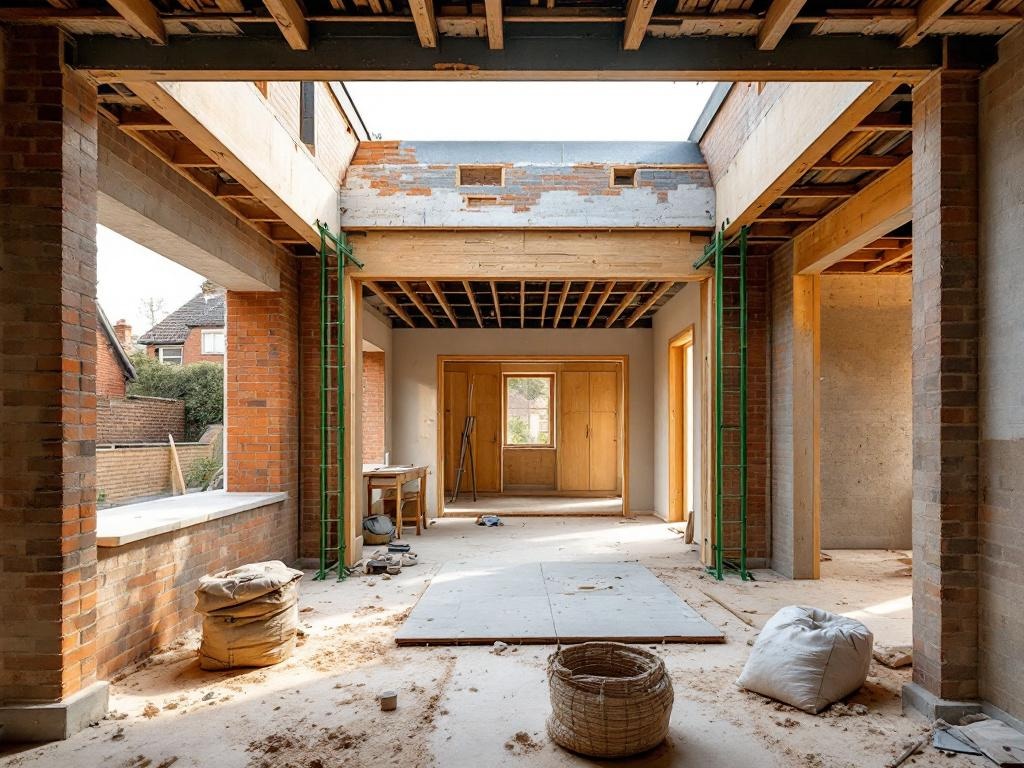
I always stress how national reforms reshape the National Planning Policy Framework, loosening permitted development rights to boost home extensions. This interacts with local plans, offering homeowners more freedom for single-storey rear projects like kitchen-diners and bi-folds. Yet, even with these changes, Building Regulations Part A demands full compliance, insisting on solid beam designs and structural integrity. Skirt these rules, and you court disastrous outcomes.
Local Authority Building Control or an Approved Inspector often steps in with enforcement notices. These require immediate fixes or, in extreme cases, demolition. Buyers reject properties without proper sign-off documents from solicitors, since lenders demand them before mortgages. Insurance companies void policies upon discovering unregistered alterations, leaving you exposed to hefty claims.
Go beyond permitted development limits—for instance, stretching size, height, or using mismatched materials—and the build turns unlawful. Local planning enforcement can shut you down. Structural mishaps loom large without regs.
Key Structural Failure Risks
- Faulty load-bearing setups cause walls to bulge or crumble.
- Roof timbers that are too thin or poorly placed sag under weight, risking collapse.
- Weak joints create unstable nodes throughout the structure.
- Unbraced roofs fail fast against wind or snow loads.
In short, bypassing regs invites financial drains, legal battles, and severe safety threats. Even relaxed planning shifts can’t override these basics; get solid advice early to avoid pitfalls.
For more details about permitted development rights and compliance, visit the official UK Government technical guidance.
https://www.youtube.com/watch?v=aEwGcyJRAf0
Sources:
Planning Portal – “https://www.planningportal.co.uk/”
UK Government – “The Town and Country Planning (General Permitted Development) (England) Order 2015”
UK Government – “Structure: Approved Document A”
UK Government – “Fire Safety: Approved Document B”
UK Government – “Site Preparation and Resistance to Contaminants and Moisture: Approved Document C”
UK Government – “Conservation of Fuel and Power: Approved Document L”
UK Government – “The Party Wall etc. Act 1996”
Leave a Reply