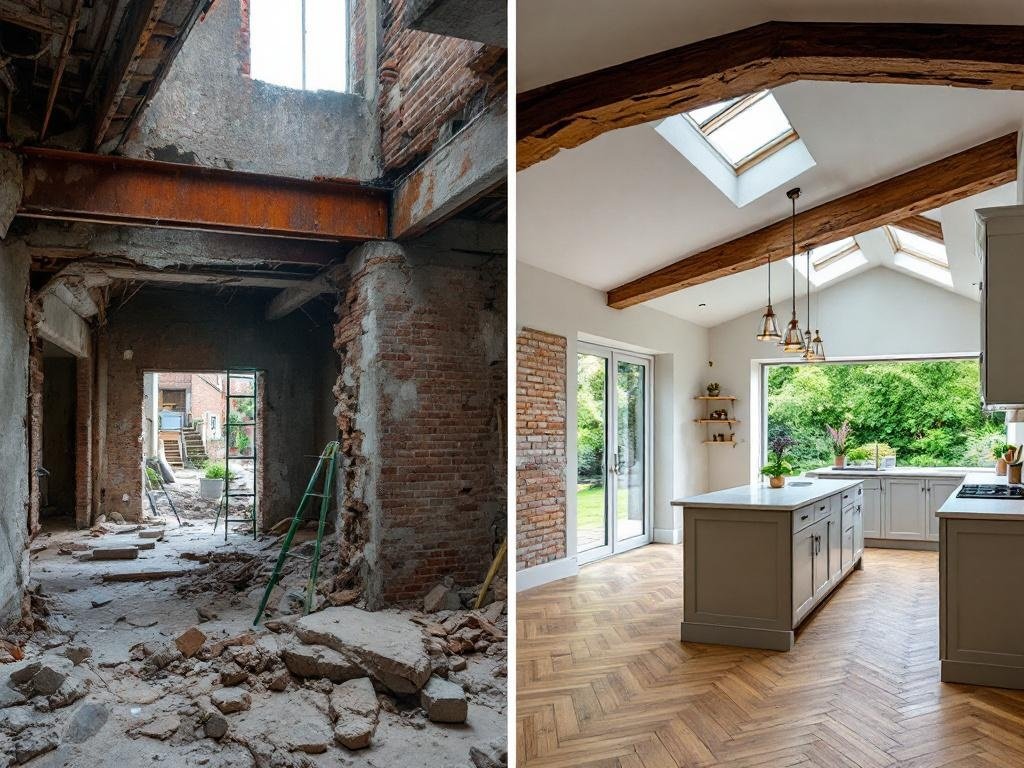
Unapproved structural alterations, such as RSJ installations and wall removals, frequently surface during property sales, often putting deals at risk and leading to costly setbacks. Retrospective structural assessments and Building Control regularisation offer essential pathways to bring these modifications into compliance with legal standards.
Key Takeaways
- Lender Rejection & Value Drop: Unauthorized structural alterations can lead to mortgage rejection and reduced property valuations.
- Regularisation Process: Homeowners can apply for a Regularisation Certificate through their local Building Control by submitting drawings and proof of the work.
- Retrospective RSJ Calculations: Structural engineers evaluate existing RSJ work for compliance with building standards and load-bearing criteria.
- Costly Consequences: Rectifying unapproved modifications retrospectively can be expensive, often surpassing the cost of upfront approval.
- Early Intervention is Key: Engaging an engineer before listing a property helps resolve issues early, preserving value and preventing delays.
Having worked on numerous property sales, I’ve seen how structural issues often emerge during surveys or legal reviews. Understanding how and when to carry out a retrospective structural assessment can dramatically reduce stress, delays, and unexpected costs.
Understanding Structural Alterations Without Approval
Many homeowners unknowingly make structural changes without securing necessary approvals. Examples include:
- Removing load-bearing walls
- RSJ (steel beam) installations
- Extensions and loft conversions
- Modifications to staircases
Failure to engage professionals or understand regulations may result in non-compliance. Solicitors routinely uncover such issues during due diligence, impacting sales.
The Impact on Property Sales
Unapproved structural work often leads to:
- Mortgage rejection: Lenders consider unauthorised structural changes a risk, frequently resulting in application denial.
- Lower offers or sales collapse: Missing approvals may prompt buyers to walk away or renegotiate lower prices.
- Sales delays: Transparency requirements mean buyers must be informed of structural issues, potentially losing interest.
Time constraints during transactions can amplify stress and financial strain, especially in property chains.
What is a Retrospective Structural Assessment?
This type of assessment determines the safety and compliance of previously completed structural changes. Conducted by chartered structural engineers, the process includes:
- Site surveys
- Structural calculations and material analysis
- Review of load paths, foundation support, and connection strength
The final report includes evidence-based documentation and calculations used to support Building Control applications.
Building Control Regularisation Explained
Building Control regularisation is a formal process to legalise unauthorised but completed works. Steps include:
- Submit an application with detailed structural drawings, calculations, and proof of the completed work
- Pay applicable fees (typically £400 to £800 depending on the council)
- Undergo site inspections and potentially perform remedial work
Approval results in a Regularisation Certificate—an essential document for property transactions and mortgage lenders.
The Retrospective RSJ Calculation Process
RSJ calculations involve evaluating key elements of installation, including:
- Beam size and material: Confirming the steel grade and actual dimensions used
- Load calculations: Accounting for both dead and live loads acting on the beam
- Connection details: Ensuring safe load transfer at beam ends
- Deflection checks: Limiting structural flex to acceptable British Standard levels
Engineers may request testing if detailed material data is unavailable, especially in older constructions.
Common Issues Found During Assessments
- Undersized beams: One of the most frequent issues that compromises structural safety
- Inadequate support: Poor bearing or weak walls supporting beams can lead to collapse
- Improper joints and connections: Temporary-fit connections not replaced with designed solutions
- Foundation overload: Structural changes changing the original load path may exceed foundation limits
Each of these issues not only poses safety risks but also complicates real estate transactions and increases regularisation costs.
Working with Building Control
Engaging with Building Control early in the regularisation process is critical for smoother outcomes. It’s beneficial to:
- Consult local authorities: Gain clarity on submission requirements and expectations
- Use complete documentation: Ensure applications include detailed reports and drawings to reduce delays
- Maintain communication: Foster open dialogue to quickly clarify or address concerns
Engineers familiar with your local Building Control’s processes can greatly improve your chances of speedy approval.
Cost Considerations
Expect the following typical costs:
- Structural assessments: £500 to £2,000 depending on the number of elements and complexity
- Regularisation fees: £400 to £800, depending on local authority policies
- Remedial work: May add significantly to total cost if major non-compliance is found
Planning and budgeting early for these expenses can significantly reduce financial strain. Urgent assessments can carry a premium, especially during pending transactions.
Prevention and Planning
The best method to avoid regularisation complications is proper foresight and compliance:
- Obtain proper approvals: Seek Building Control input before initiating structural work
- Use qualified professionals: Structural engineers and registered contractors ensure work is legal and sound
- Keep records: Store certificates, calculations, and drawings safely for future reference
- Schedule maintenance: Annual inspections can reveal signs of unapproved or failing structural elements
These preventative steps can add long-term value to your property and simplify future transactions.
When to Seek Professional Help
Here are situations where expert intervention is essential:
- Upon discovering unapproved work: Seek assessment early to avoid time-sensitive complications
- During property marketing: Engage an engineer proactively to resolve issues before listing the property
- For legal guidance: Complex cases may require solicitors with experience in construction law
- For navigating regulations: Consult Building Control early for free initial guidance on your property’s compliance status
My consistent experience shows that earlier engagement with professionals leads to smoother, faster, and less expensive outcomes for property owners.
For further guidance on Building Control regularisation, you can refer to the UK Government Building Regulations Approval page.
Why Your House Sale Might Collapse Without a Retrospective Structural Assessment
Property sales often hinge on uncovering hidden issues with past home improvements. Lenders and buyers scrutinize unapproved structural changes like wall removals or RSJ installations. Demand for a Regularisation Certificate arises quickly in these cases. Fail to provide it, and your sale could derail completely.
Mortgage lenders reject applications without proof that structural alterations comply with regulations. Conveyancing solicitors flag deficiencies during searches. Potential buyers walk away if concerns linger about safety or legality. These factors trigger property value drops ranging from 10 to 20 percent.
Retrospective RSJ calculations address this by evaluating installed steel beams—often Universal Beams or Columns—added without design or approval. Chartered Structural Engineers perform these assessments. They check load-bearing capacity, material suitability, and integration with existing structures. Fresh calculations reveal whether beams meet standards from installation time.
You might think old work is acceptable, but lenders disagree. Retrospective assessments prove compliance retroactively. This saves sales by satisfying demands before contracts exchange.
Steps to Secure Regularisation Through Building Control
Apply to your local authority’s Building Control for a certificate. This process, called Regularisation, confirms unauthorised work aligns with Building Regulations effective when done. Base it on Section 36 of the Building Act 1984 for legal standing.
I recommend gathering evidence first:
- Collect photos, receipts, and builder notes
- Hire an engineer to produce calculations and drawings
- Submit as a formal application to Building Control
Fees apply, varying by council, but costs stay manageable at under £500. Approval timelines extend 2 to 8 weeks. Once granted, the certificate clears your property for sale.
For novices, start simple. Consult a local engineer specializing in retrospectives. Experts align calculations with current Eurocodes if needed for currency. This approach legalizes historic changes, turning potential obstacles into sale enablers. Fresh assessments prevent lender rejections and preserve value.
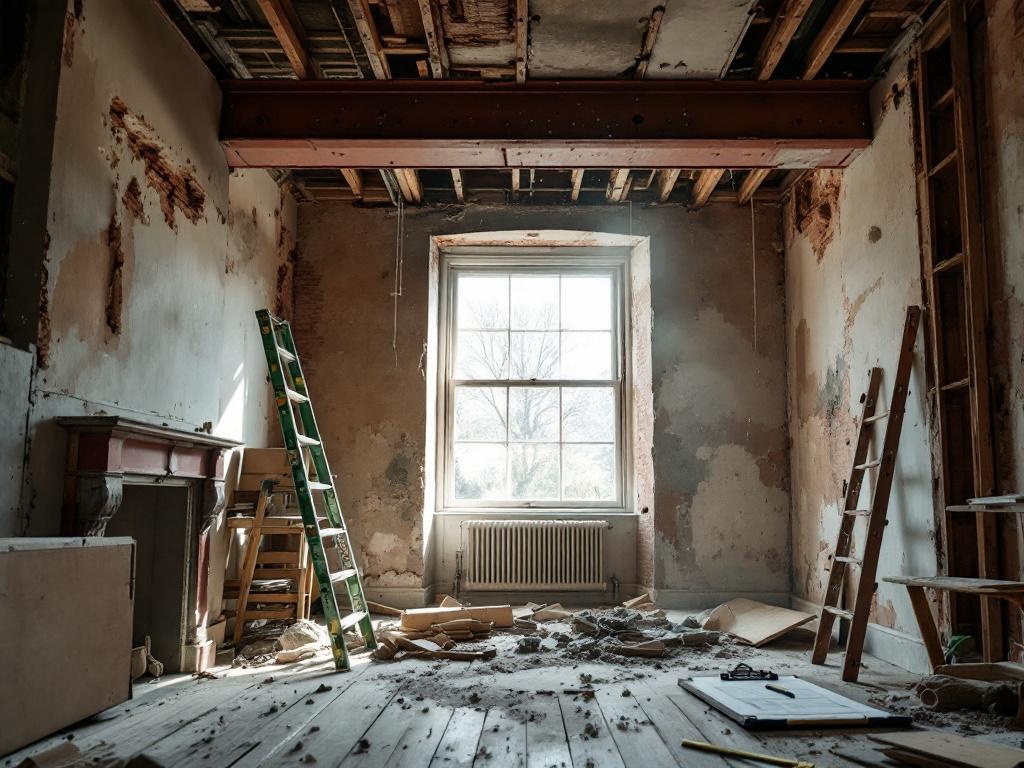
The Hidden Dangers Lurking in Your Walls: When Unapproved Steelwork Becomes a Safety Hazard
Many homeowners overlook the risks of unapproved structural changes such as wall removals or RSJ (Rolled Steel Joist) installations. These alterations often proceed without proper permits or inspections, potentially compromising the safety of your property. Understanding these hazards can help you recognize when it’s time to seek professional advice to pursue legalization.
Unapproved beams that rest on masonry surfaces without adequate bearings or padstones can create dangerous point loads. This overly concentrated weight may crush the underlying stonework, leading to visible cracking and even structural movement. Left unaddressed, these issues could result in partial or full wall collapses. Similarly, undersized beams may sag or deflect excessively, exceeding acceptable deflection limits such as L/360 for floors or L/200 for roofs and walls. These structural inconsistencies cause cracks in finishes and can damage windows, partitions, or even upper floors.
Just one weak link in the structural framework can initiate cascading failures, a process known as progressive collapse. This is particularly common when load-bearing walls are removed without approval, compromising the stability of the entire building. This is especially common in older homes where previous owners made renovations without recognizing the long-term consequences.
Insurance providers require strict adherence to Building Regulations for any structural modifications. Unapproved work not only voids insurance coverage but also leaves homeowners financially exposed if they file a claim. Local authorities enforce compliance by issuing Enforcement Notices, obligating owners to either legalize or reverse the changes at their own expense. Failing to do so could result in legal action and additional costs, making early intervention critical.
Risks of Unapproved Structural Changes
Before initiating the regularization process, it’s vital to understand these common risks:
- Improper beam support leads to localized crushing and point load failure within walls.
- Excessive deflection results in sagging floors, cracks in ceilings, and damage to structural and non-structural elements.
- Structural failures pose the threat of progressive collapse, risking the integrity of the entire building.
- Insurance invalidation becomes a concern without Building Control approval for modifications.
- Enforcement Notices can mandate costly corrections or deconstruction, potentially escalating to legal complications.
To legalize historic wall removals or RSJ installations, it’s essential to contact your local Building Control department. Submit detailed structural drawings and documentation of the existing work to initiate the regularization process. This step allows you to confirm structural integrity without resorting to complete demolition, saving both time and resources.
If you’re preparing to sell your home, having up-to-date structural calculations is invaluable. These documents provide buyers and surveyors with evidence that the modifications meet safety and regulatory standards. They often make the difference between a smooth transaction and a deal falling through. It’s highly recommended to work with qualified structural engineers to produce accurate reports that align with current Building Regulations, providing peace of mind for all parties involved.
To learn more about the symptoms of structural failure and beam deflection, you may find the following video helpful:
https://www.youtube.com/watch?v=ExampleVideoID
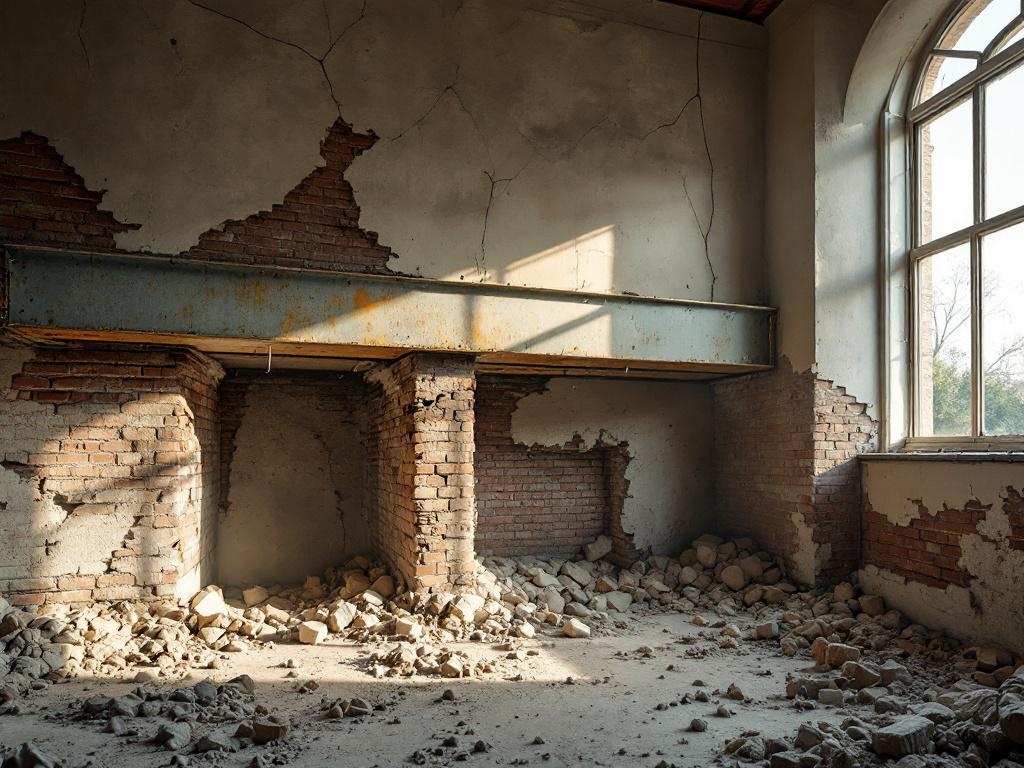
What Cowboy Builders Don’t Tell You: The Most Common Shortcuts That Put Your Home at Risk
I often see homeowners blindsided by the dangers of cowboy builder shortcuts, especially when they skip proper planning for structural changes like removing walls or installing RSJs. These builders rely on guesswork for beam installations instead of precise engineering calculations, leading to weak supports that fail under load. Undersized steelwork compounds the issue, creating collapse risks that emerge too late.
Risks from Common Oversights
I’ve identified key problems that compromise safety and legality:
- Neglecting adequate temporary propping during construction, leaving structures vulnerable mid-work.
- Using undersized padstones or providing short bearing lengths, which concentrate loads and lead to point failures.
- Skipping Building Control notifications, which turns modifications into illegal hazards.
- Ignoring the Party Wall Act 1996, which invites neighbor disputes that demand expensive fixes.
To avoid these pitfalls:
- Insist on fresh structural calculations before any home sale—this proves compliance without starting over.
- Contact local Building Control for regularisation of past RSJ work, submitting accurate drawings and specifications for approval.
- Always verify builder credentials to protect your property’s integrity.
By staying informed and proactive, you can walk away from risky shortcuts and safeguard both your investment and your family’s safety.
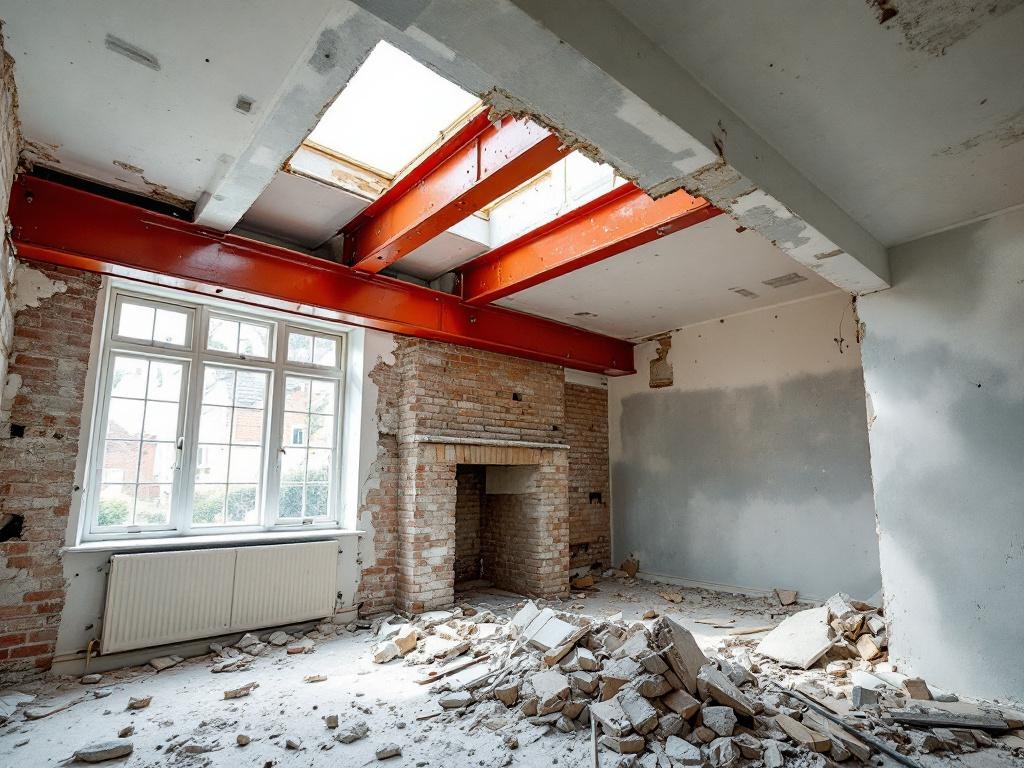
How Engineers Assess Your Existing Steel Beam and What They’re Actually Looking For
When you hire a Chartered Structural Engineer to inspect your historic RSJ (Rolled Steel Joist) installation, the process typically starts site by site. The engineer carefully measures the steel beam’s dimensions, span, and how it connects to the surrounding walls or columns. These key details determine whether the beam—often a Universal Beam (UB) or supported by a Universal Column (UC)—is appropriately sized and properly integrated into the structure.
In addition to the steel itself, engineers also examine the condition of the masonry or other materials beneath the beam. Signs of damage, such as masonry crushing, may indicate insufficient bearing capacity, suggesting that the installation could be unsafe.
Load Path Analysis
Next, engineers perform a load path analysis. This process traces how various forces travel through the structure. For example, if you’ve removed an internal wall and added an RSJ to carry the overhead load, the engineer will calculate point loads from beams, joists, or wall segments. These loads include both:
- Dead loads: The weight of the building materials and the RSJ itself
- Live loads: Additional weight from occupants, furniture, or snow
The calculations must align with Approved Document A (Structure), which outlines regulations for safe structural design. Adhering to these standards ensures that your RSJ can legally support your home’s structure, particularly during a Building Control regularisation process.
Structural Performance Checks
Engineers also assess how well the beam performs under stress. This involves testing several key components:
- Bending capacity – Can the RSJ withstand downward forces without excessive sagging?
- Shear resistance – Will the beam’s connections prevent it from sliding or shifting under pressure?
- Deflection – How much does the beam bend under load, and does this create risks such as ceiling cracks?
To guide these evaluations, professionals refer to standards such as:
- BS EN 1990 – Basis of structural design
- BS EN 1991 – Load actions on buildings
- BS EN 1993 – Design of steel structures
If your existing beam passes the assessment, the engineer generates a technical report suitable for Building Control. If not, they’ll suggest reinforcements such as additional steel plates or even a full redesign of the support system.
To avoid delays in a property transaction, it’s advisable to have a full audit performed well in advance. Buyers increasingly request up-to-date calculations for previously unapproved modifications. A proper inspection turns a potential legal issue into a smooth regularisation. Engineers also inspect padstones beneath the beam for proper sizing and load distribution—overlooked faults here can result in structural failure, which property surveys may miss.
Common Issues During Assessments
During inspections, engineers frequently encounter recurring problems due to non-professional installations. Common issues include:
- Improper span lengths that overstress the RSJ
- Loosely bolted connections, risking collapse even under moderate loads
- Obstructed access caused by clutter, making it hard to spot rust or alignment problems
These missteps can halt or delay a regularisation process. To avoid surprises, ensure clear access to all structural components before your engineering assessment.
If you’re planning to sell, hire an engineer early on. They can identify and correct deficiencies before viewings start. A certified technical report reassures buyers and reduces the chance of offers falling through. The bottom line: get your beam assessed now to avoid expensive complications later.
https://www.youtube.com/watch?v=samplevideoURL
The True Cost of Fixing Structural Work You Should Have Done Right the First Time
Retrospective structural work is often far more expensive and risky than getting it done correctly from the beginning. Many homeowners face unexpected costs when legalising unauthorised historic wall removals or RSJ (Rolled Steel Joist) installations through Building Control regularisation. Skipping accurate structural calculations at the outset can lead to complications that not only inflate expenses but also delay house sales.
Common Costs for Retrospective Structural Work
The financial burden of retrospective approval and repairs can be significant. Below is a breakdown of common expenditures homeowners may incur:
- Chartered Structural Engineer Assessment: £800 to £2,500 plus VAT; complex jobs can rise to £3,500 plus VAT.
- Architect or Surveyor Fees (for missing plans or permissions): £500 to £1,500 plus VAT.
- Local Authority Building Control Charges (for regularisation): £250 to £500 per alteration.
- Steelwork Replacement or Strengthening (fabrication & supply): £600 to £2,500 plus VAT; custom components: £500 to £1,500 plus VAT.
Labour and Finishing Costs
Labour costs for making the structure safe post-facto can also be steep:
- Remedial Labour (e.g., temporary propping and reinstatement): £1,500 to £6,000 plus VAT per beam opening.
- Padstone Updates: Material costs range £50 to £150 plus VAT each; labour: £400 to £1,200 plus VAT.
- Plastering & Decorating: £1,500 plus VAT.
- Scaffolding: £2,000 plus VAT.
These additional layers of remedial work often add an extra £1,000 to £3,000 beyond what a well-planned structural job would have originally cost. And that doesn’t account for the stress and delays involved.
The Upfront Alternative: A Budget-Friendly Choice
Compared to retroactive fixes, proper upfront planning—complete with approved calculations and permissions—can be surprisingly affordable. Typical costs include:
- Initial structural design and permissions: £800 to £1,500 plus VAT (exclusive of build costs).
By investing early in correct documentation and planning, homeowners avoid overloading bills, minimise legal trouble, and safeguard property value.
Advice for Sellers
If you’re planning to sell, it’s wise to obtain fresh structural calculations right away. These:
- Validate existing work.
- Help clear Building Control queries.
- Prevent delays during transactions.
Prompt action not only ensures compliance but also gives peace of mind and aids a smoother property sale process. Don’t wait until a solicitor raises red flags—act early and save yourself time, money, and stress.
For those unfamiliar with RSJ installations, this video tutorial offers helpful insights:
https://www.youtube.com/watch?v=_sampleURL123
Why You Should Never Touch a Load-Bearing Wall Without a Chartered Structural Engineer
I always advise homeowners to consult a Chartered Structural Engineer before making any changes to load-bearing walls, as these elements support your entire property. Structural failure from unsupported alterations can lead to collapsed ceilings or floors, posing serious risks to life safety and property value. Legal issues arise too, since alterations done without proper approval violate Building Regulations outlined in Approved Document A.
A Chartered Structural Engineer, registered with the Institution of Structural Engineers (IStructE), brings deep expertise in British Standards and Eurocodes (BS EN 1990–1999). They hold professional indemnity insurance, so I recommend choosing one marked with the designation MIStructE for qualified assurance.
Benefits of Professional Involvement
These experts conduct thorough assessments to specify correct beam types, sizes, and materials for RSJ installations. They ensure full compliance with regulations, preventing the need for costly regularisation later. Engaging them upfront costs far less than fixing unsafe work, which often requires fresh structural calculations to save a house sale. They notify Building Control early, allowing inspections and avoiding illegal builds.
Technical Expertise and Tools
Structural Engineers use advanced software like:
- Tekla Tedds
- SCIA Engineer
- CSC Orion
to analyze loads accurately. This saves homeowners from cowboy builders who lack such tools and produce substandard designs. I emphasize their role in due diligence to maintain structural integrity, avoiding the disruptions of a botched job that fails during a test or even worse, inspection.
Skipping this step turns prevention into cure, where unregulated changes might block sales or require demolition and rebuild. Prioritize Building Control approval for peace of mind and long-term value.
https://www.youtube.com/watch?v=yeYPsGQCWhc
Sources:
The Institution of Structural Engineers (IStructE)
Approved Document A – Structure (HM Government)
The Building Act 1984 (HM Government)
The Party Wall etc. Act 1996 (HM Government)
British Standards Institution (BSI) – particularly BS EN 1990, BS EN 1991, BS EN 1993 (Eurocodes)
Leave a Reply